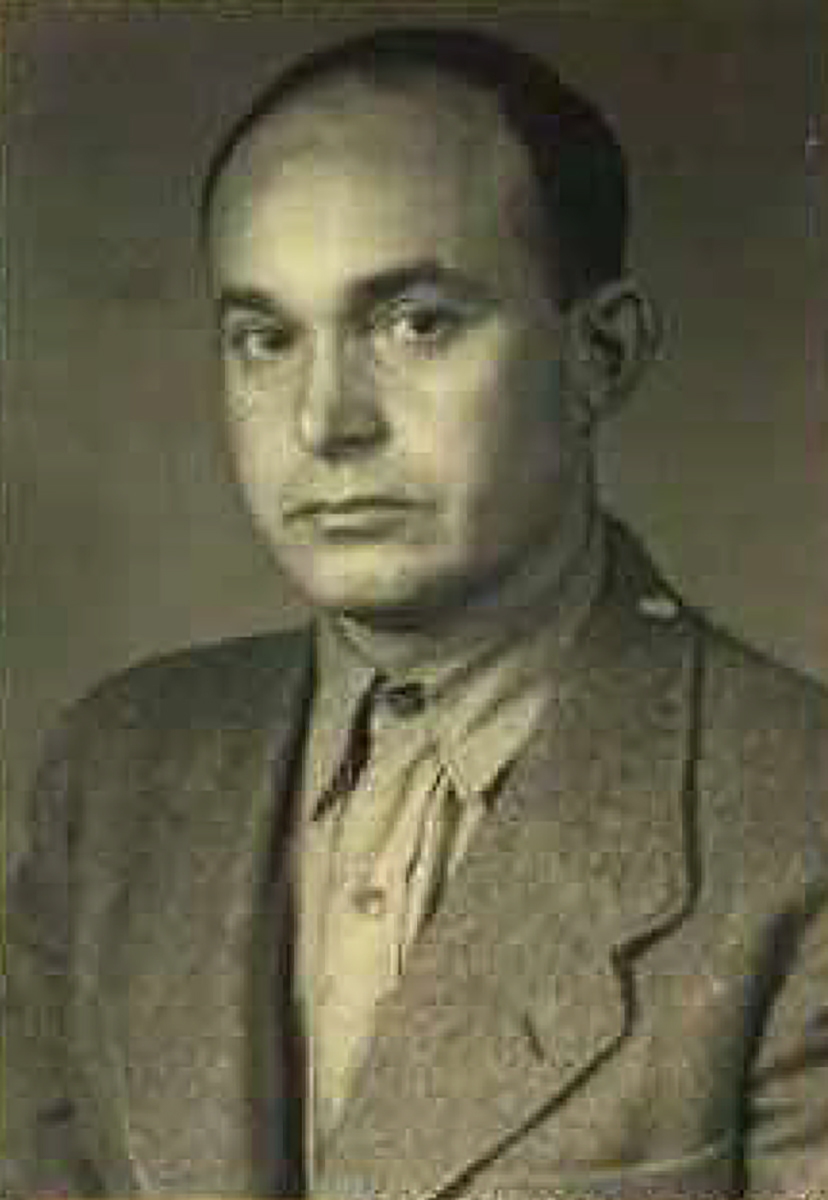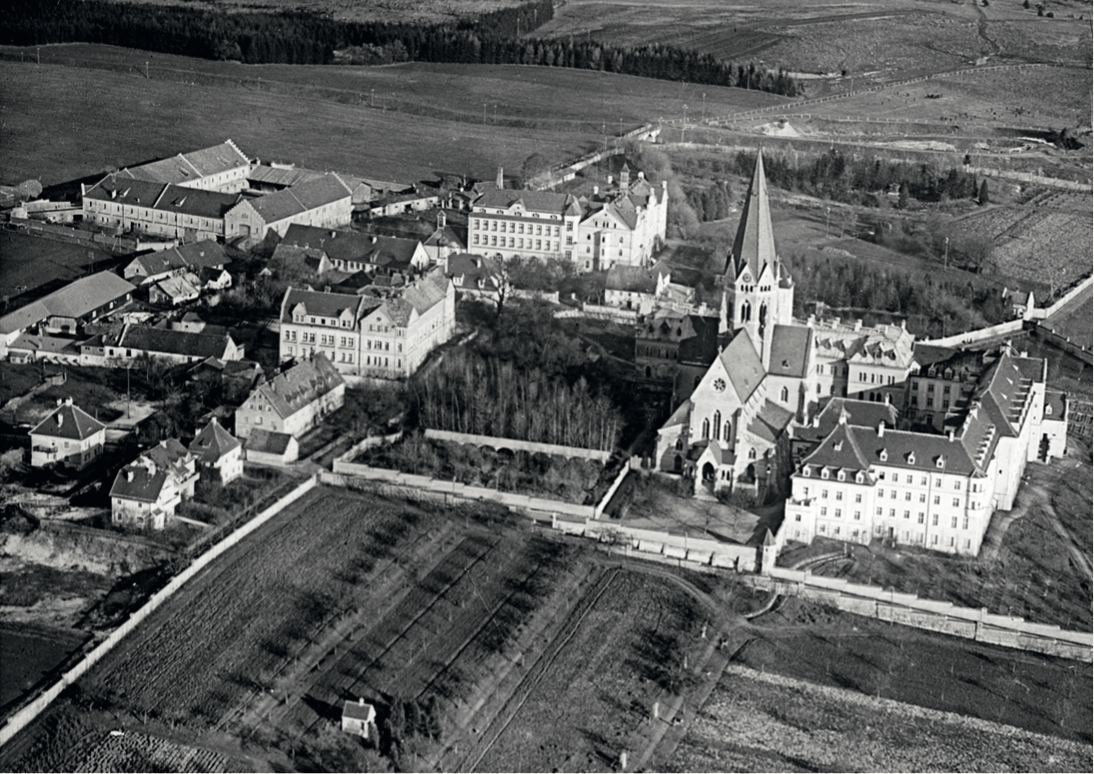
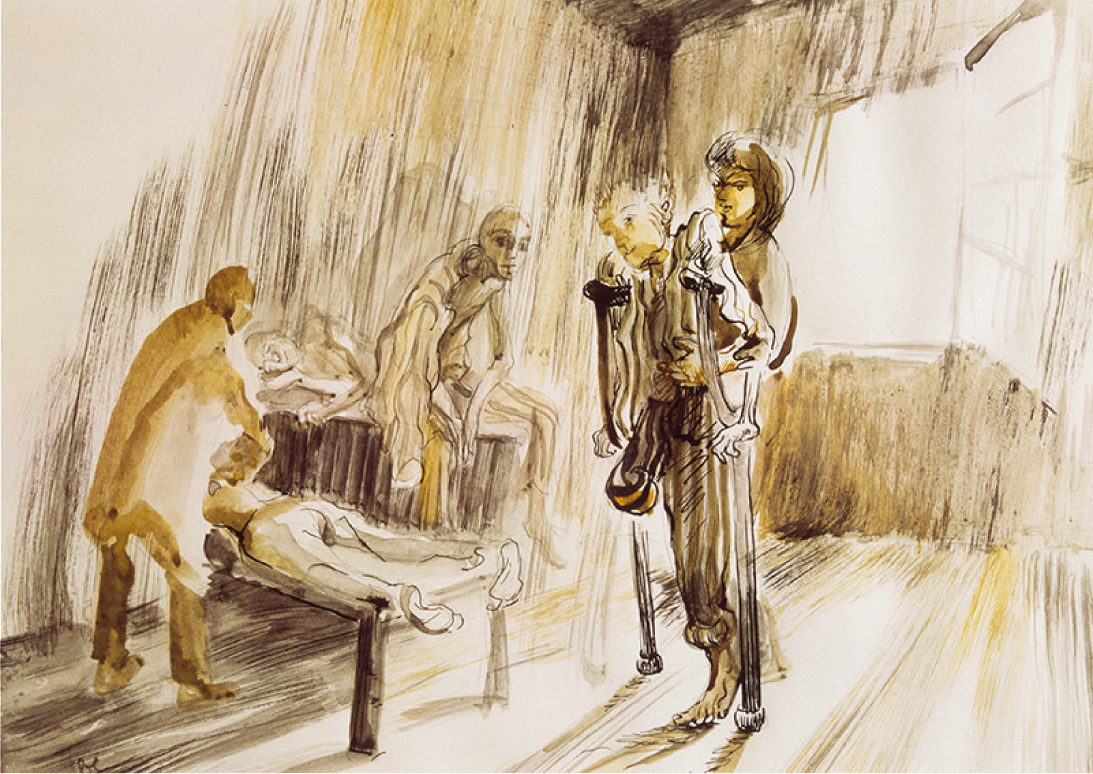
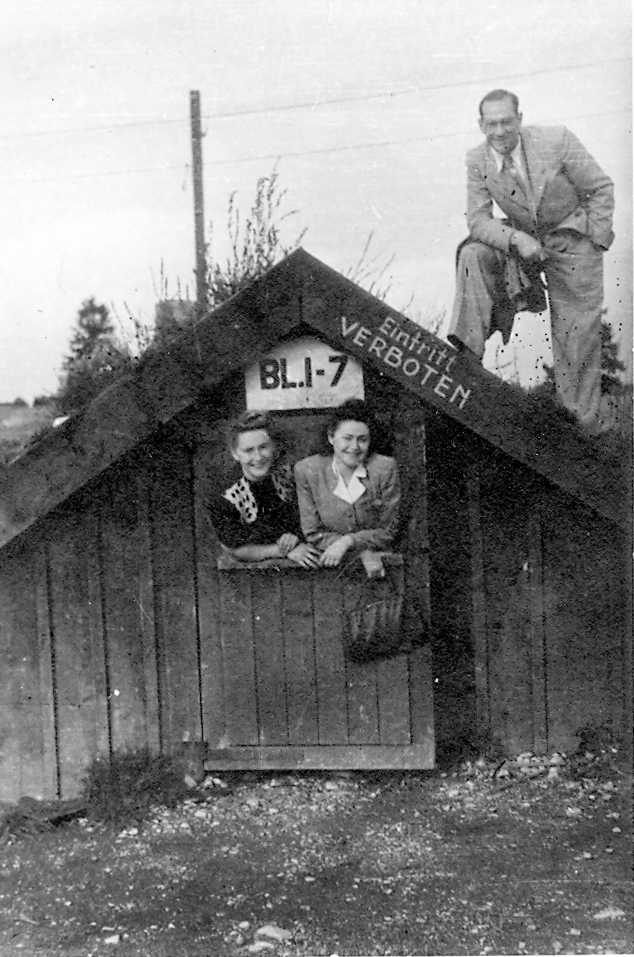
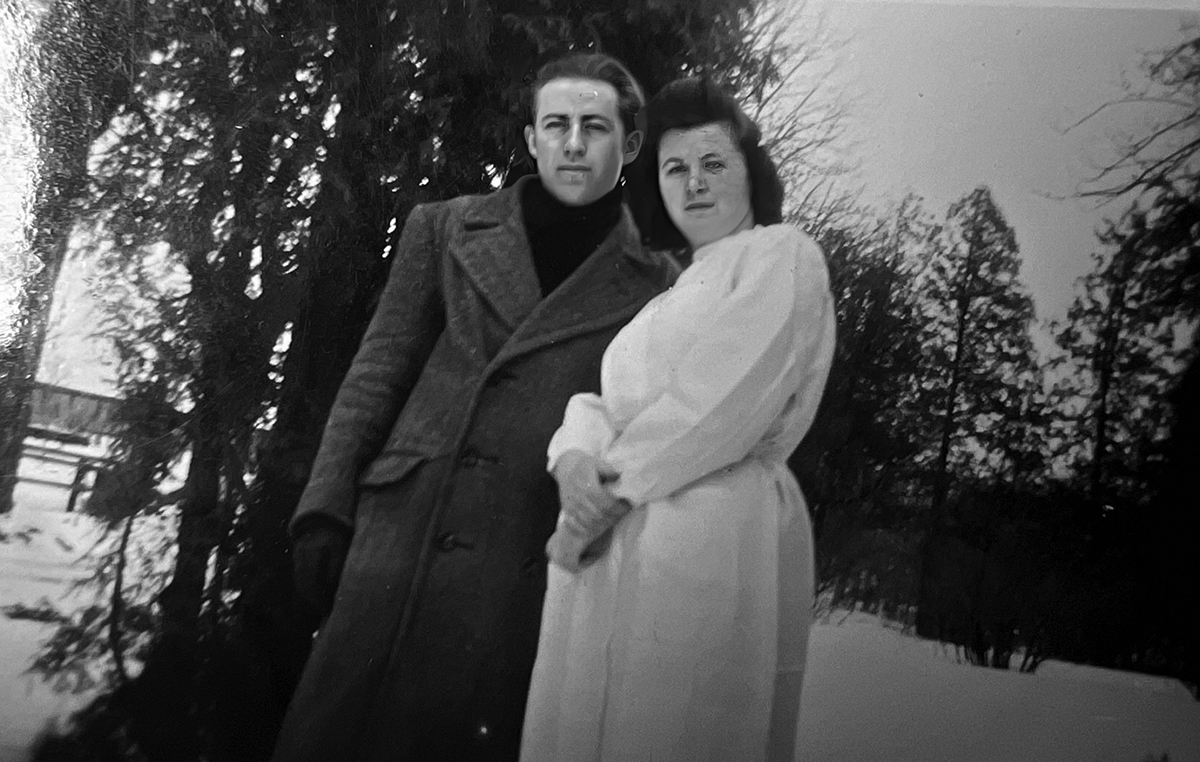
Percy Haid, Scheina and Chasia Pessin at the Ottilien Hospital (May-August 1945)
Scheina (1922-2017) and her younger sister Chasia (born 1924) grew up in Kedainiai (Lithuania) within a large family and a prospering Jewish community. When Lithania was occupied by the German army in June 1944, the family had to move to Traku Ghetto, but soon was brought to the concentration camp Stutthof. Here only the younger women escaped the deadly selection and were transported to the Kaufering Camp 1. Scheina and Chasia were lucky to be assigned cleaning and kitchen jobs at the Camp. During one of the morning appells Scheina became acquainted with Percy Haid who was a musician from Riga (Latvia). Due to his talent as calligraphic painter, he produced signs and panels in an office which helped him to survive. Both fell in love and Percy even composed a love song for Scheina (later sung by Eddie Fisher) as well as a Symphonic work “Fantasy in yellow”. The three prisoners survived the death marches from Kaufering to Dachau and from Dachau to Bad Tölz and were brought for a period of healing to the DP Hospital of St. Ottilien. Percy needed more time to recover. The three who were the only survivors of their families moved later to the DP camp Munich-Freimann. Percy and Scheina married and a first son was born in Munich in 1947. In 1947, they managed to emigrate to the United States and found a new home in Chicago. Sheina published under the name Sonja Haid-Greene memories with the title “Between Life and Death” (Chicago 2010) which describes in detail the gruesome daily life of the concentration camps, but also moments of kindness and mutual care. About the biography of Percy Haid see also: music of Percy Haid.
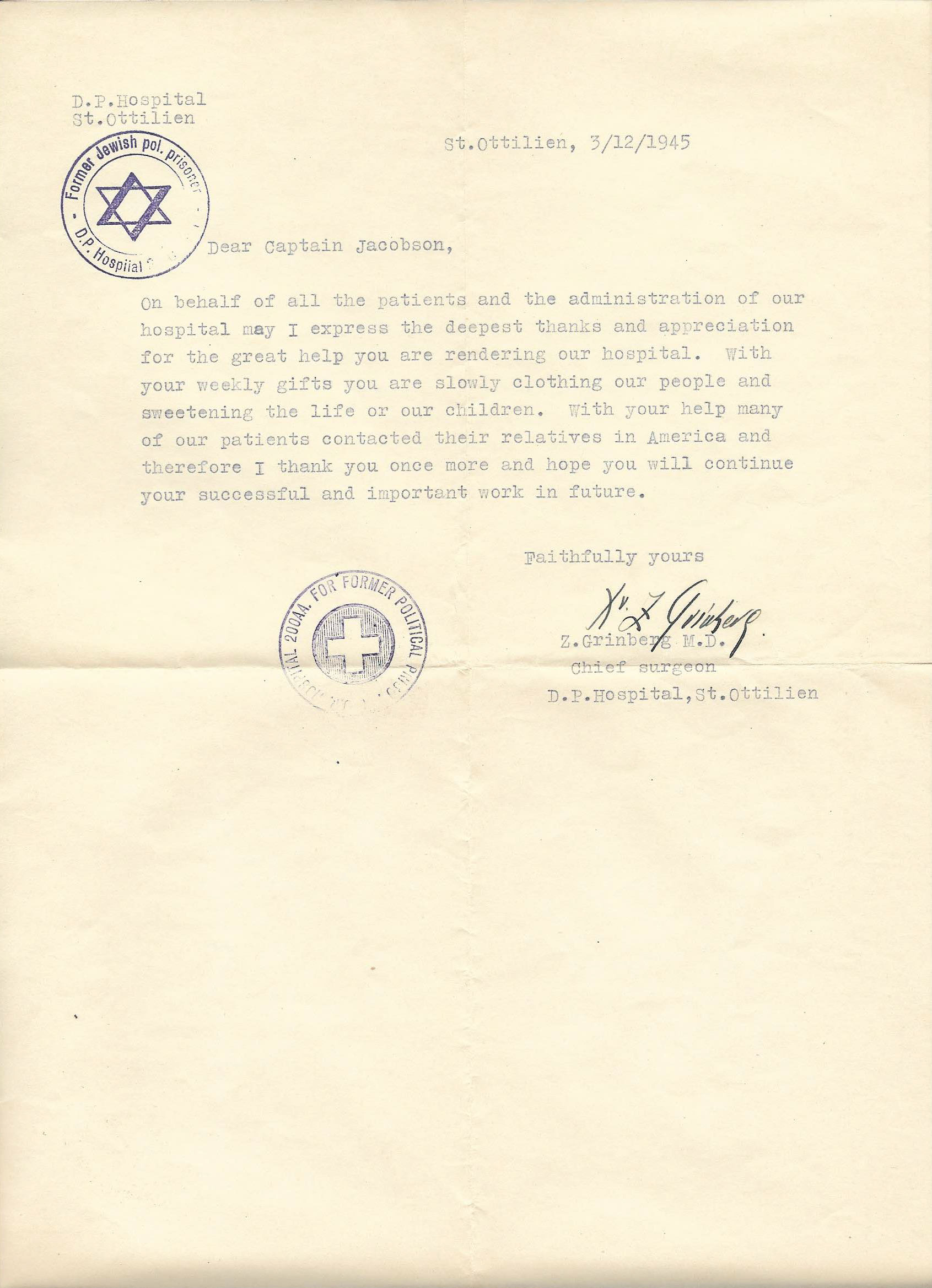
Letter of gratitude from Dr. Zalman Grinberg to Captain Jacobson, December 3, 1945
Upon graduation from New York University Dental School in the spring of 1943, my father became a commissioned officer in the United States Army Dental Corp. After basic training in the states, he was shipped to England where he spent the better part of his military career at a British airbase at Duxford, about an hour outside of London, which served as a hub for American bombers and fighter-bombers that bombed Germany during WWII. He worked at the base’s dental clinic, filling and cleaning the teeth of American fighter pilots, navigators, and bombardiers. After Germany surrendered in May 1945, he was shipped again, this time to a German airbase at Kaufbeuren, Bavaria that had been taken over by Allied Forces. He was thus part of the Allied Army of Occupation, although his day to day work remained the same: taking care of the teeth of his fellow servicemen. One day in July 1945, while at the base at Kaufbeuren, he was approached by another American captain in a jeep who offered to show him something. They drove for about 45 minutes to an hour before arriving finally at St. Ottilien. They were greeted by the patients there, many of them still wearing the tattered remains of their concentration camp garb. My dad soon learned that they were survivors of Dachau and had walked to the Abbey after the concentration camp had been liberated by Allied troops. He was appalled by what he saw, especially because more than two months after the surrender of Germany, many of these survivors still did not have adequate clothing, food, toiletries, & etc. Upon returning to his base, he requisitioned supplies to convert a nearby movie theatre into a sanctuary for the holding of services for Jewish servicemen. And from the pulpit of that converted theatre, acting as an unofficial chaplain, he told his comrades about what he had seen at the Abbey and made an urgent plea to them to write to family and friends in the States asking them to send what they could of the items so sorely needed by the survivors of Dachau there. The response was overwhelming. And once a week, every week, over the next several months, my dad gathered up all the packages that had come in over the previous seven days, piled them into a jeep, and drove out to the Abbey where he delivered them to those so in need. He once told me in a proud but not a boastful way that as of his last trip to the Abbey in December 1945 — at which point he was preparing to be shipped home and the international relief effort for “displaced persons” had finally gotten under way — he had personally delivered approximately 5 tons of relief supplies to the victims of Adolph Hitler. It was in recognition of this that Dr. Grinberg wrote the letter in question. And, coincidentally — small world — when Dr. Grinberg emigrated to America, he practiced in the same professional building in Hempstead, New York (Long Island) where my dad had opened up his first dental office after the War. My dad passed away in 2007 when he was 88 years old. He was not a wealthy man. After educating my siblings and me at private universities and professional schools, there was not much left by way of an estate. But he left behind things far more precious: the memory of what had done for the survivors at St. Otillien and the example he had set about what it meant — what it still means — to be a mensch.
Elliott Jacobson

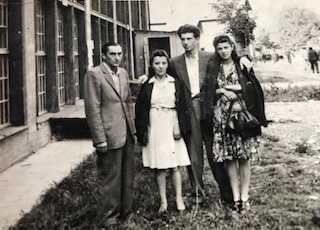
Photograph of Cesia Fromer, nee Szfer, probably in the DP camp Landsberg am Lech 1946 (first woman to the left)
Cesia Fromer (born 1920 in Lodz) was a Holocaust survivor who was liberated from Salzwedel Labor Camp and made her way to Landsberg, DP camp. She married in the DP camp and transferred to the Ottilien hospital in the week of November 8 to 14, 1946 for giving birth to her first child. Due to medical complications she left two weeks later for a hospital in Munich where daughter Rachel was born on December 4th, 1946.
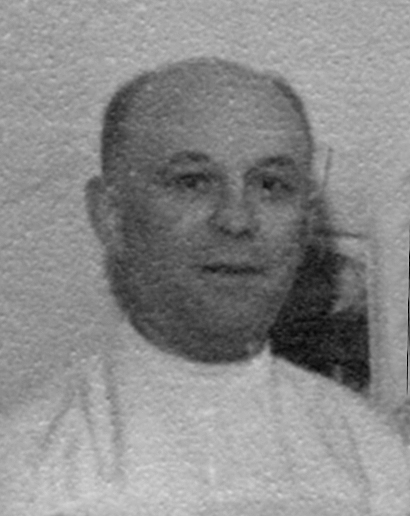
Dr. Berko Ber-Wolf Kolodner (1893-1984)
Dr. Berko Kolodner was born on March 3, 1893 in the Village of Krynki, Poland (formerly Russia) son of Israel Kolodner and Freida-Riwa nee Potchobucka. His parents, 5 sisters, and 2 of his three brothers were killed by the Nazis. One brother emigrated to Israel before the war. As a child he had an orthodox Jewish education. Later, he and his father moved to Bialystok where he attended Bialystok Commercial School. (1904-1912) He graduated with distinction and was awarded the Gold Medal. Nonetheless, he was not accepted to university because he was a Jew. He was conscripted into the Russian army and subsequently returned to Krynki and worked as a tutor for high school students. With great difficulty, he made his way to Switzerland and in 1919 was admitted to the University of Bern Medical school. He received his Doctor of Medicine degree in 1925. He worked at the Urological Surgical Division of the Medical School and then as an Assistant physician in the Dermatological Division of the University. He returned to Vilna in 1926, where he attended the Stefan Batory University of Vilna. In 1927 he married Ann Ryndziun. He passed the medical state examination in 1928, and then received the rights to practice medicine in Poland. During 1928-1930, Dr. Kolodner was in private practice as a family doctor in Vilna. In 1931-1932 Dr. Kolodner attended the University of Berlin, where he worked as a volunteer physician in the Gynecological/Obstetrics Clinic as well as in the Pediatric Clinic. During 1933-1941, Dr. Kolodner continued his private practice and served as the Senior Physician at the Jewish City Hospital of Vilna. In June 1941 the Germans invaded Vilna. On September 6, 1941, he and his wife were forcibly transferred to the Vilna Ghetto, where they lived until September 1943. From the Vilna Ghetto he was taken to Lukishke Prison in the center of Vilna which was used by the Gestapo as a holding cell for thousands of Jews. He was severely beaten and forced to perform hard labor. On September 3, 1943, he was taken via cattle car to Vaivara Concentration Camp in Estonia and given no food or water for seven days. Days later his wife was brought to Vaivara. She was immediately taken to Auschwitz and murdered. Their daughter Itala was also taken away and assumed to have been killed. In February 1944, Vaivara was evacuated and Dr. Kolodner was sent to the Kuremae Concentration camp in Estonia. From there, he and other prisoners were sent on a three day hunger march in the snow to Concentration Camp Goldfields. They were then taken west to Concentration Camp Lagedi at Reval (Port city in Estonia). From Reval, Dr. Kolodner and other prisoners were taken by ship to Danzig where they were transferred via small boats to Stutthoff concentration camp. For two months he worked in the Labor camp Gerdauen, a subcamp of Stutthoff. The conditions were brutal. He was then taken by train throughout Germany to the Labor Camp Colditz (Germany) which was under the command of Buchenwald. From April 13, 1945 to April 27, 1945, he was among the prisoners forced on a “Death March,” from Colditz to Theresienstadt with little or no food, water, or rest. Those who were unable to continue were shot. Despite the lack of medical supplies and the bleak conditions of incarceration Dr. Kolodner continued to provide medical aid and care to prisoners where ever possible. Dr. Kolodner was liberated in Theresienstadt by Russian troops. They took him to Prague where he was treated at Naslupee Hospital and recovered. After the war, he learned that his entire extended family had been taken to Treblinka and killed. From Prague he went to the Monastery Sankt Ottilien in Bavaria where he was employed as Senior Medical Officer in charge of the Medical Division at the St. Ottilien Hospital from November 1, 1945 to May 1, 1948. It was in Sankt Ottilien that Dr. Kolodner met Riva Levy (nee Chasan). Riva was a survivor of Dachau whose first husband, three children and many family members had been killed. Riva Levy and Dr. Kolodner married in 1947 and in 1948 they had a son. The hospital at Sankt Ottilien closed on May 6, 1948. Dr. Kolodner along with other physicians and nurses was transferred to Sonnenhof Hospital, a crucial Displaced Persons Hospital in Bad Worishofen (Germany). In 1950, Dr. Kolodner and his family left Germany and arrived in New York City in July. In October 1950, their daughter was born. Dr. Kolodner opened a private practice in Brooklyn. A few years later he and his family moved to Gowanda, a small rural town in upstate New York and home to Gowanda Homeopathic State Hospital, (later known as the Gowanda Psychiatric Center) where he worked as a physician and senior supervising psychiatrist until he retired in 1971. Dr. Kolodner was beloved by his patients and peers. He passed away on February 7, 1984.
Anna Kolodner, Ph.D. (daughter of Dr. Kolodner)
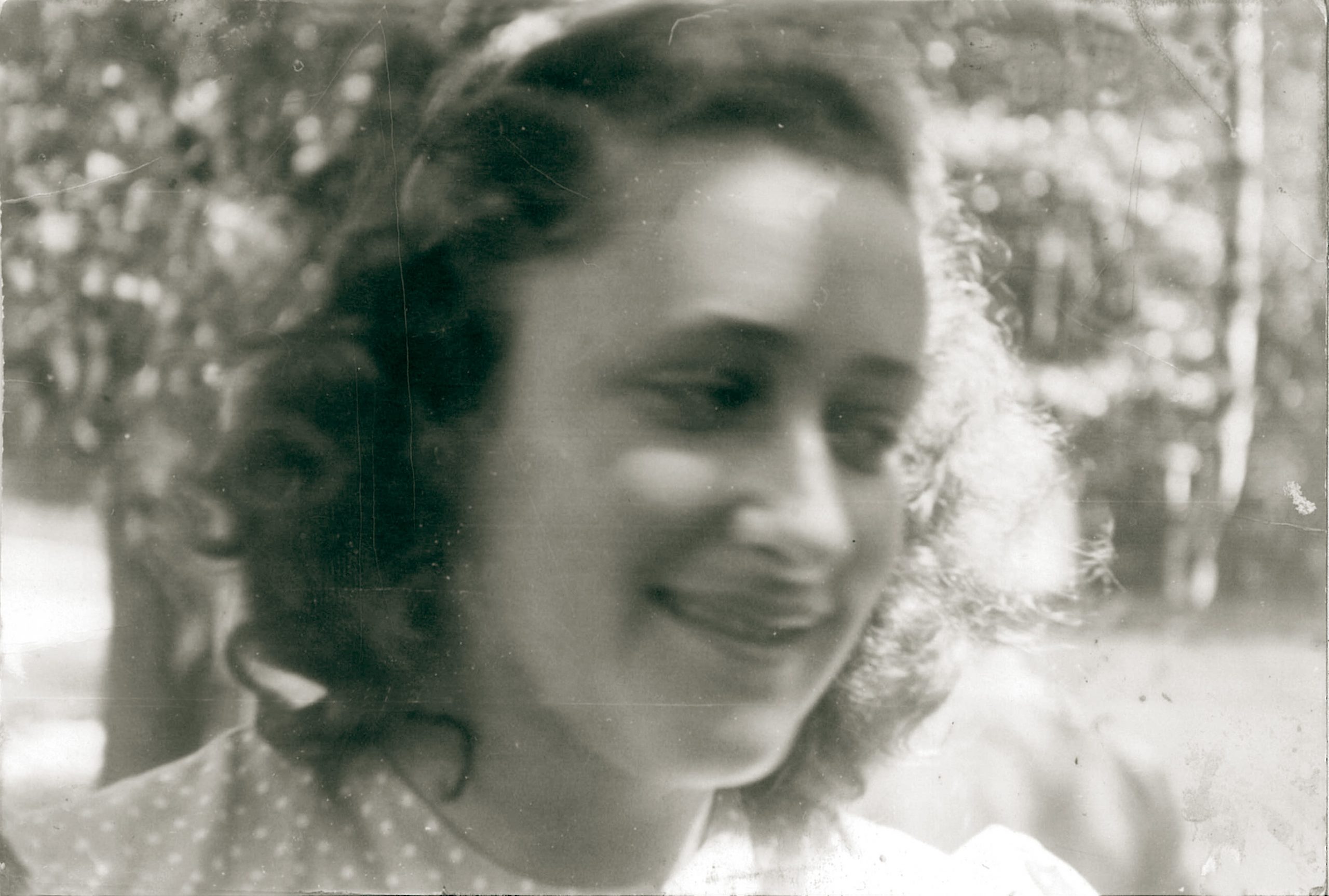
Adela Grinholz as nurse at St. Ottilien (1946-47)
The family Grinholz originated in Rakov, an area between and Lithuania. Jewno Grinholz moved to Vilnius, Lithuania where he married and had two daughters, Adela and Tola. After the German invasion of Lithuania, Jewno and his wife Mazsa died. At seventeen years old, Adele was left to care for her twelve-year-old-sister Tola. Later their father’s brother brought the two sisters to be with his family in the Kovno Ghetto. Adele helped her sister survive two deadly selections in the ghetto where about 16,000 Jews were killed. Later Adela and Tola were taken to a forced labor camp in Estonia. Adela Grinholz and her sister managed to survive the atrocities of the Estonia killings of almost 2,000 people. When they returned to Vilnius, they found strangers living in their home, and no food or work. They decided to immigrate to America to be with family there. They arrived at Saint Ottilien around May 1946 as “convalescents”. They were joined by their cousin Nachim (Nachum) Grinholz who became a policeman at the Jewish police force of the hospital which helped them to gain a status as family members of the hospital staff and improved their food assignments. Adela Grinholz took a nursing course at the hospital and joined the two other Jewish nurses who worked respectively in the delivery room and the newborn nursery. Slowly Adela moved from simple tasks like bringing the babies for feeding to their mothers and distributing medications to own responsibilities. The work was sometimes quite exhausting because of the high birth rate. Once Adela had to care for 24 new born babies at the same time at the nursery. At the Landsberg DP camp, the two sisters met other survivors from Lithuania like Ida and Sonja Perlman from the Kovno Ghetto, who had survived along with their mother and later emigrated to England. During her time at St. Ottilien, Adela was courted by many male survivors, but decided to wait to marry until she had found a new home in New York City. In February 1947, the sisters emigrated to the United States where family members vouched for them. Nachim who was strongly filled with Zionist ideals emigrated to Palestine. During their time at the hospital, the sisters lived with Nachum in the nearby village of Geltendorf in a small house opposite to the train station (today replaced by a supermarket). Nachim’s later residence was a room in the neighboring village of Türkenfeld (Ammerseestr. 4). Adele worked as a nurse for most of her life and married a fellow survivor who also grew up in Vilnius, Boris Jochelson. Interestingly, Adele had been friends with one of Boris’ five little sisters. Adele and Boris moved to New Jersey and had two daughters and three grandchildren together. Adele died of natural causes at 96 years old in December 2020, eight days before her 97th birthday. Adele’s younger sister Tola worked as a translator for several years until she married another survivor. They also moved to New Jersey and had two daughters and one grandchild. Tola died several months after her older sister.
Bev Wilson, Ph.D., Seattle
Photographs by courtesy of © Bev Wilson, Seattle
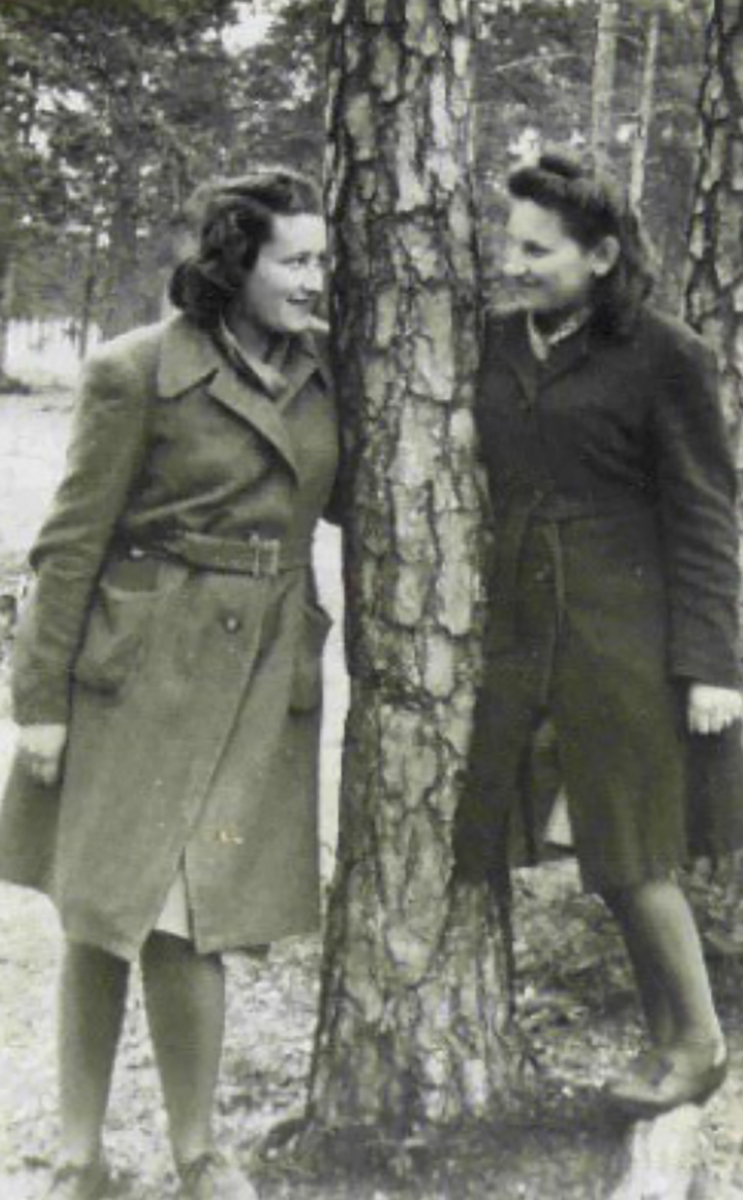
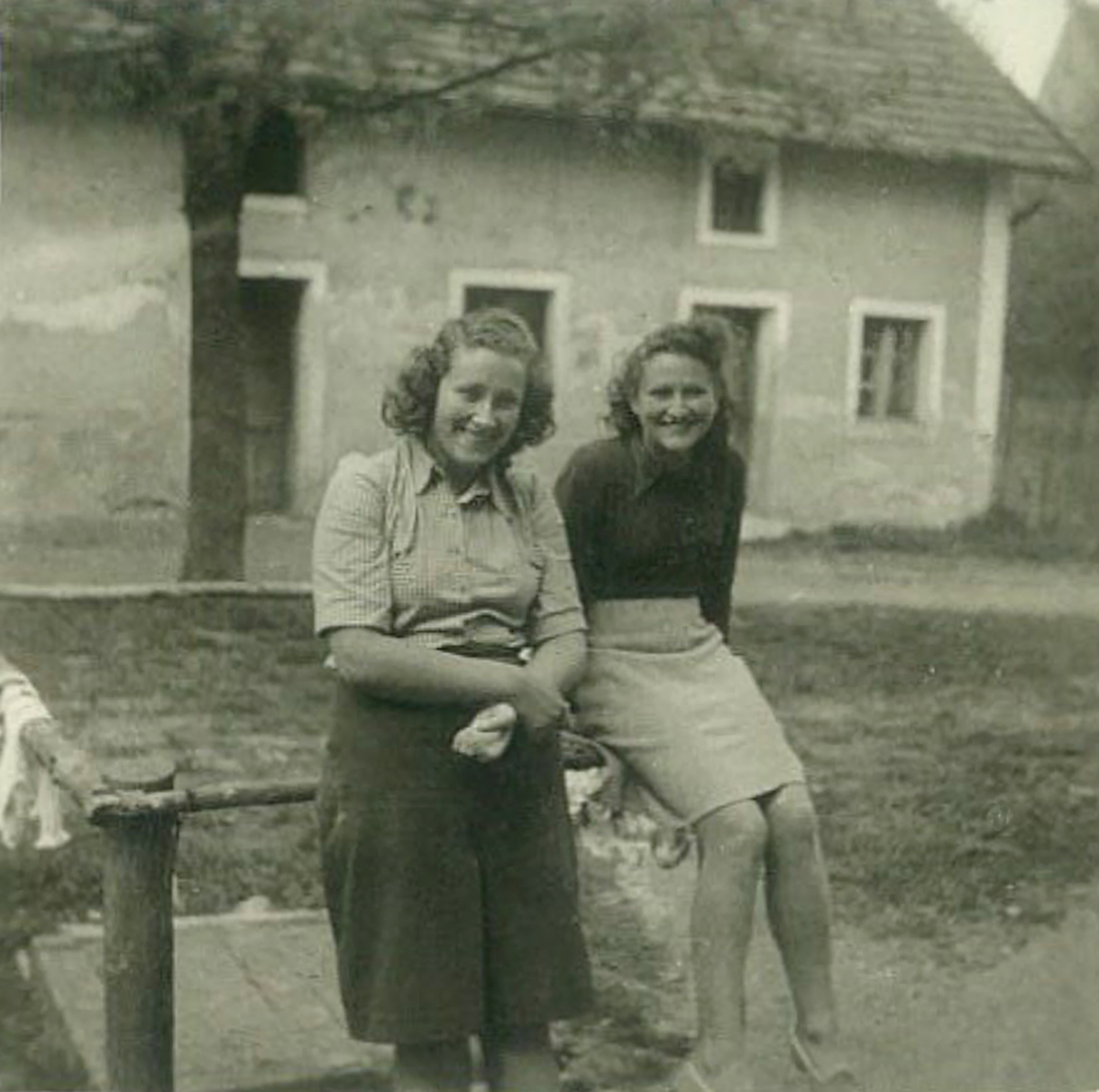
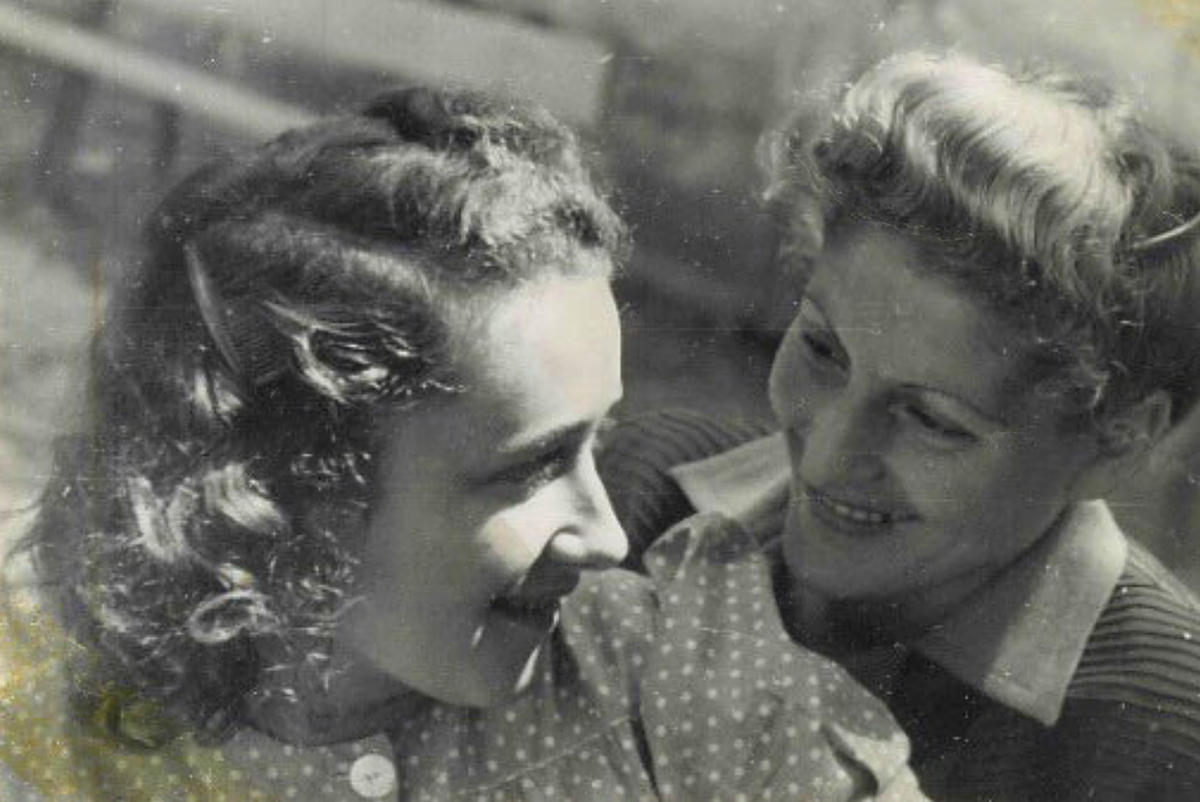
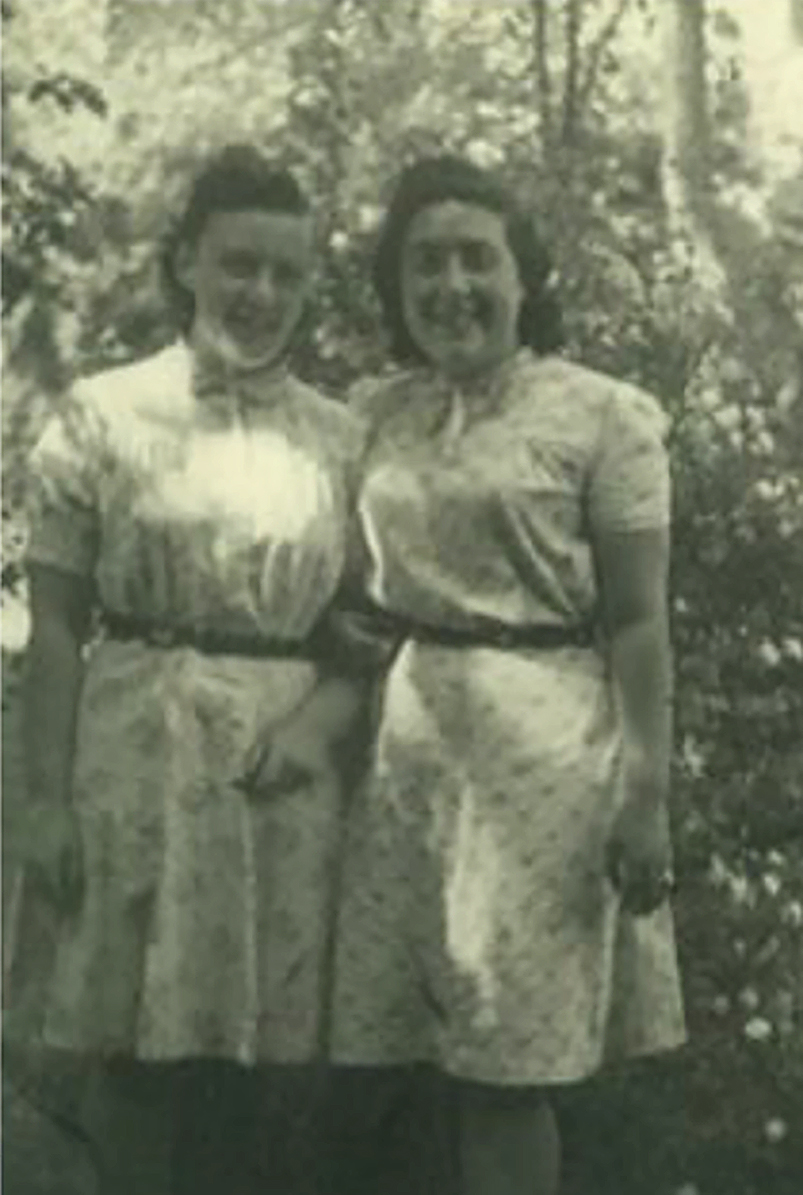
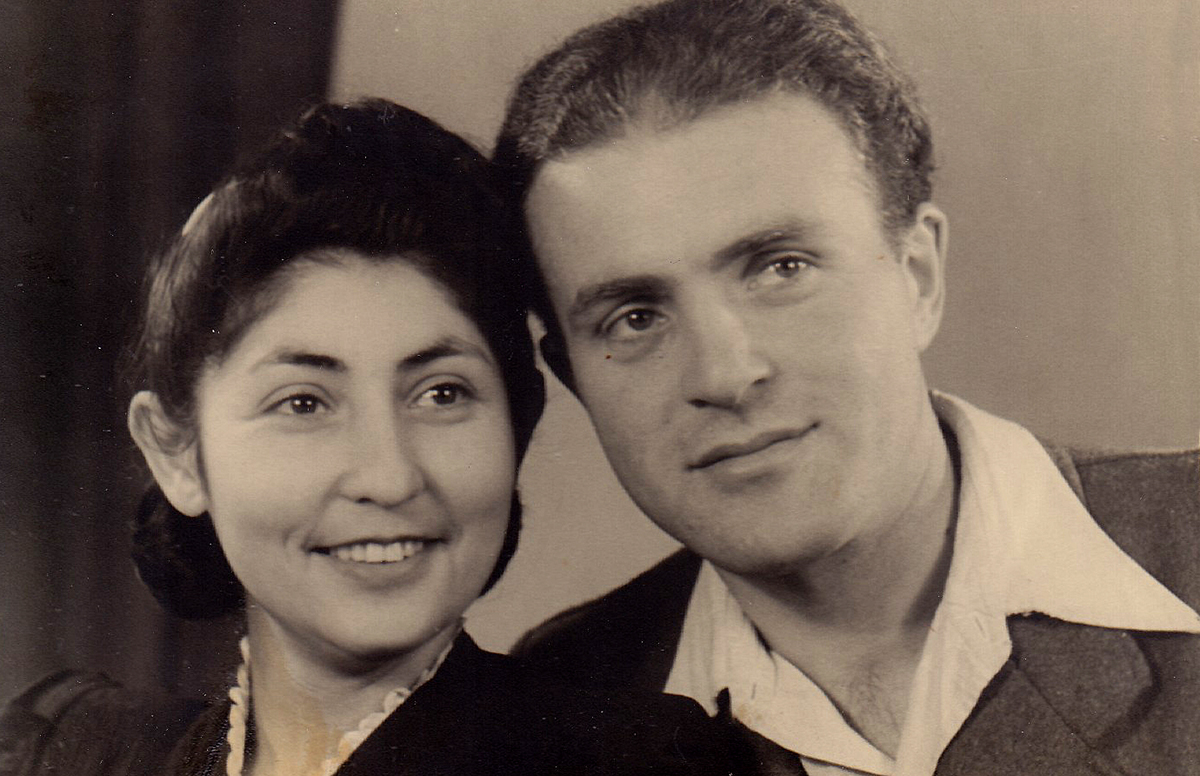
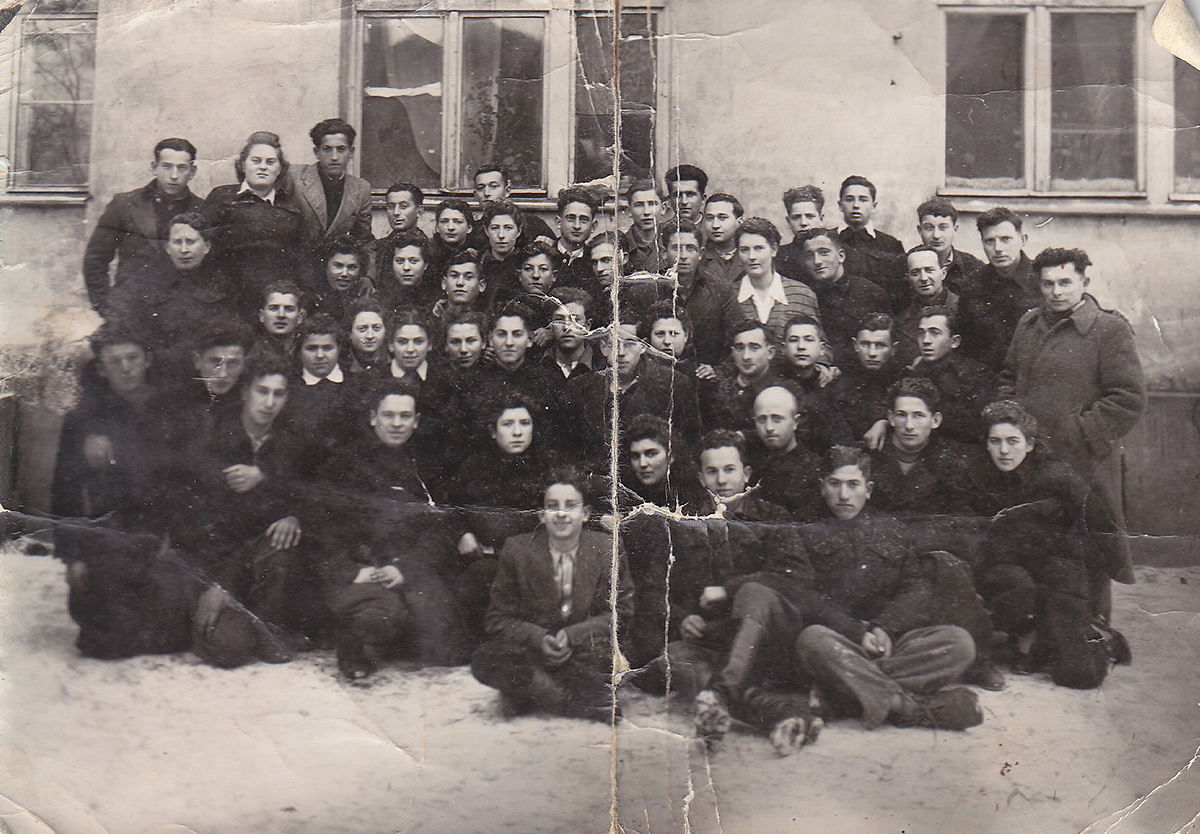
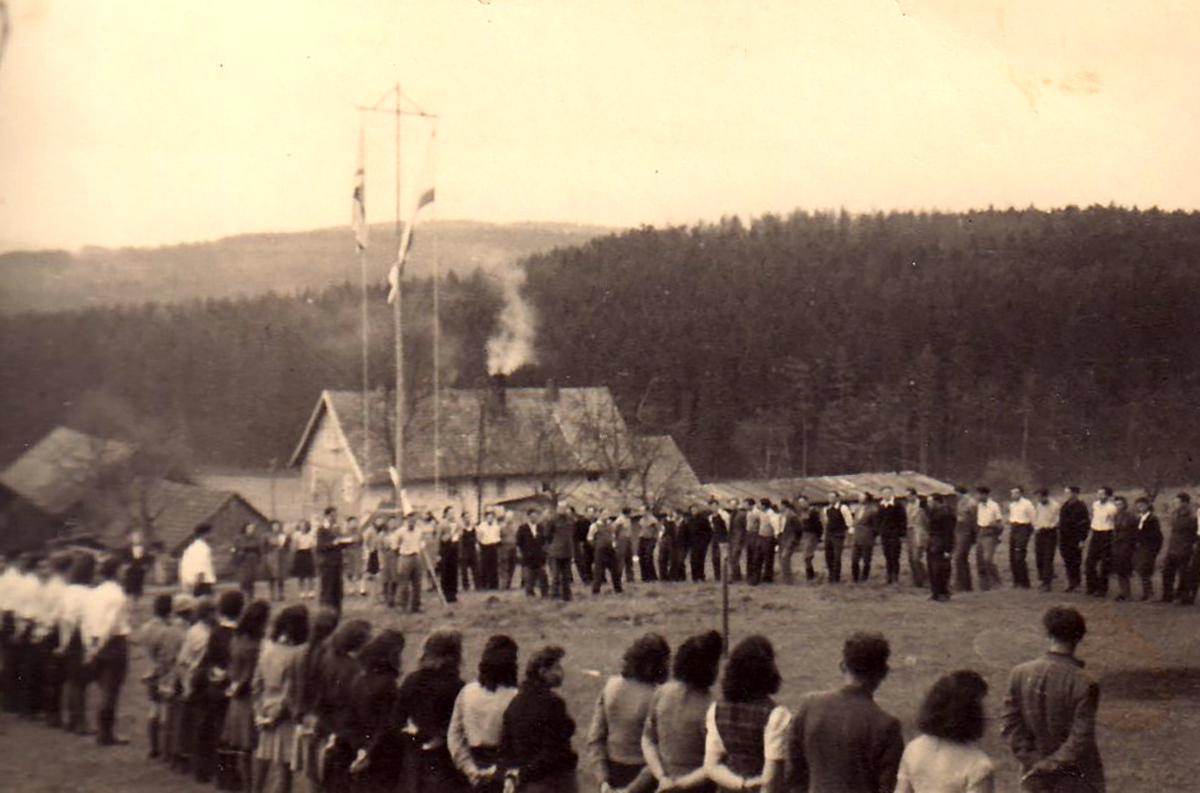
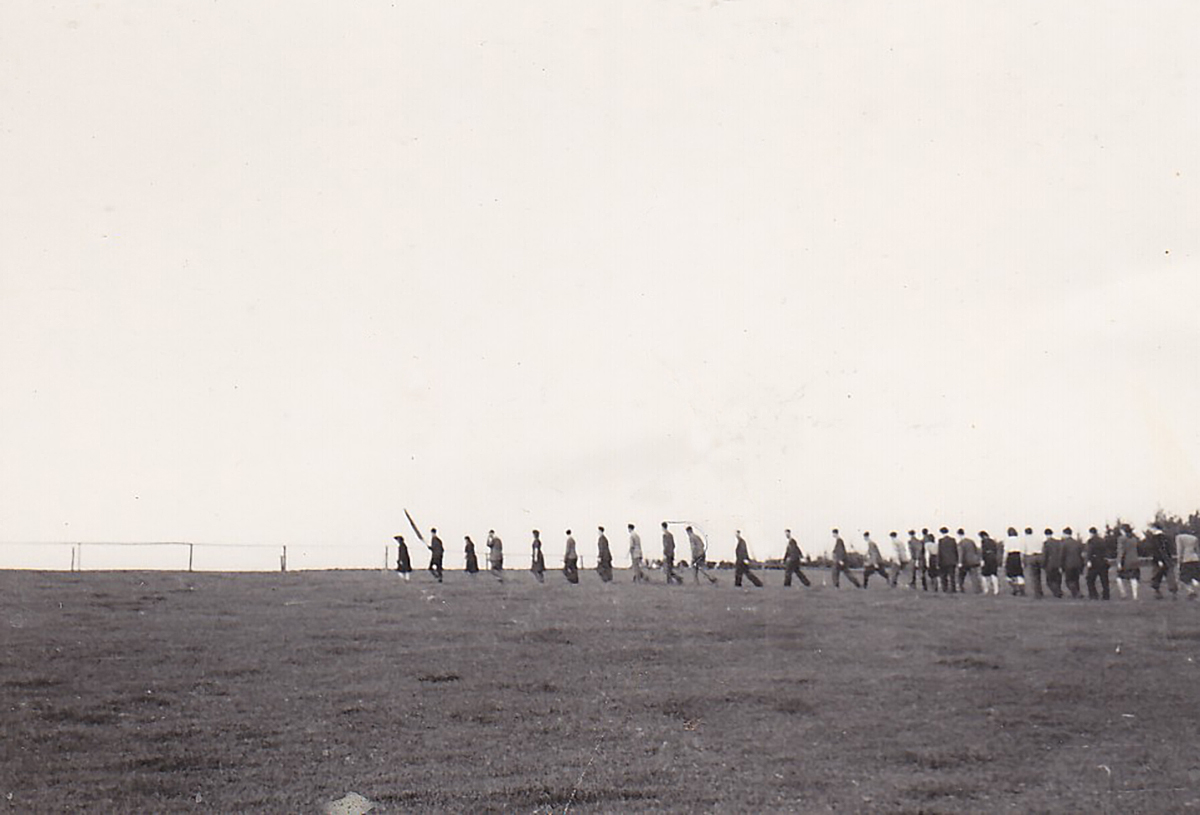
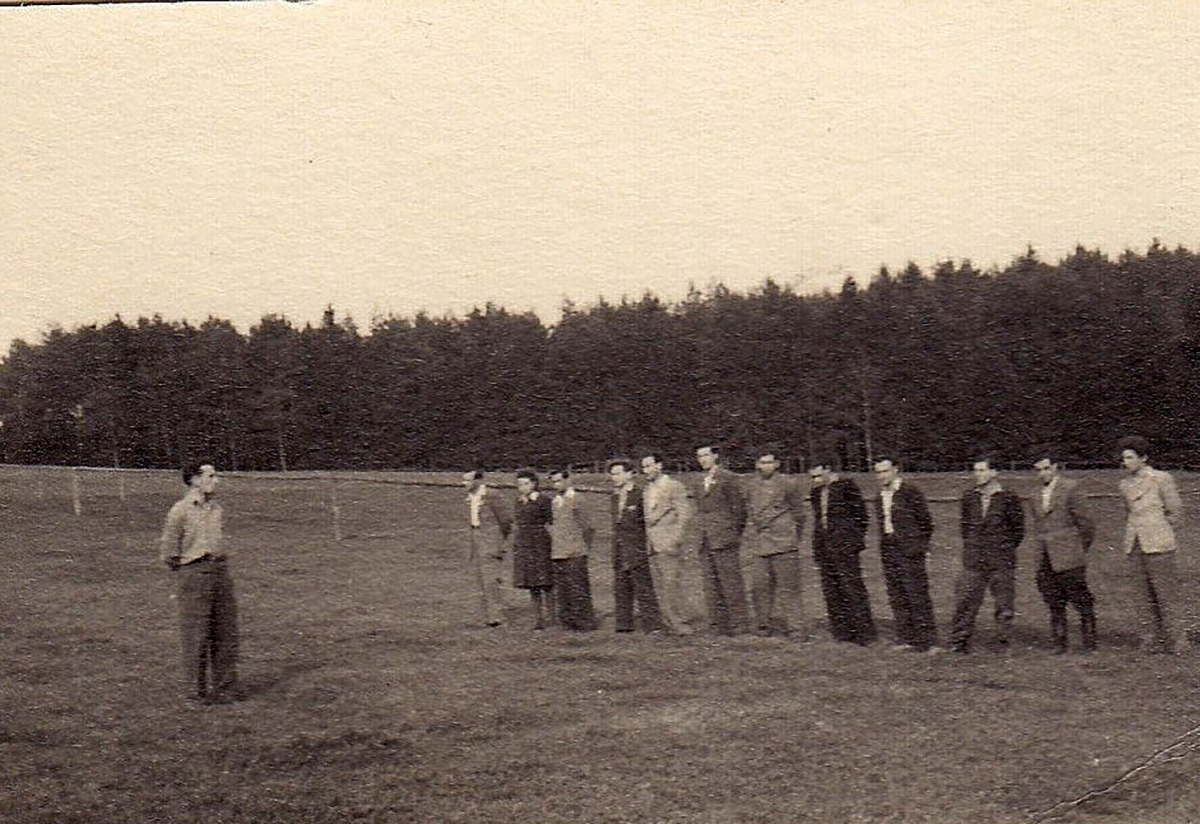
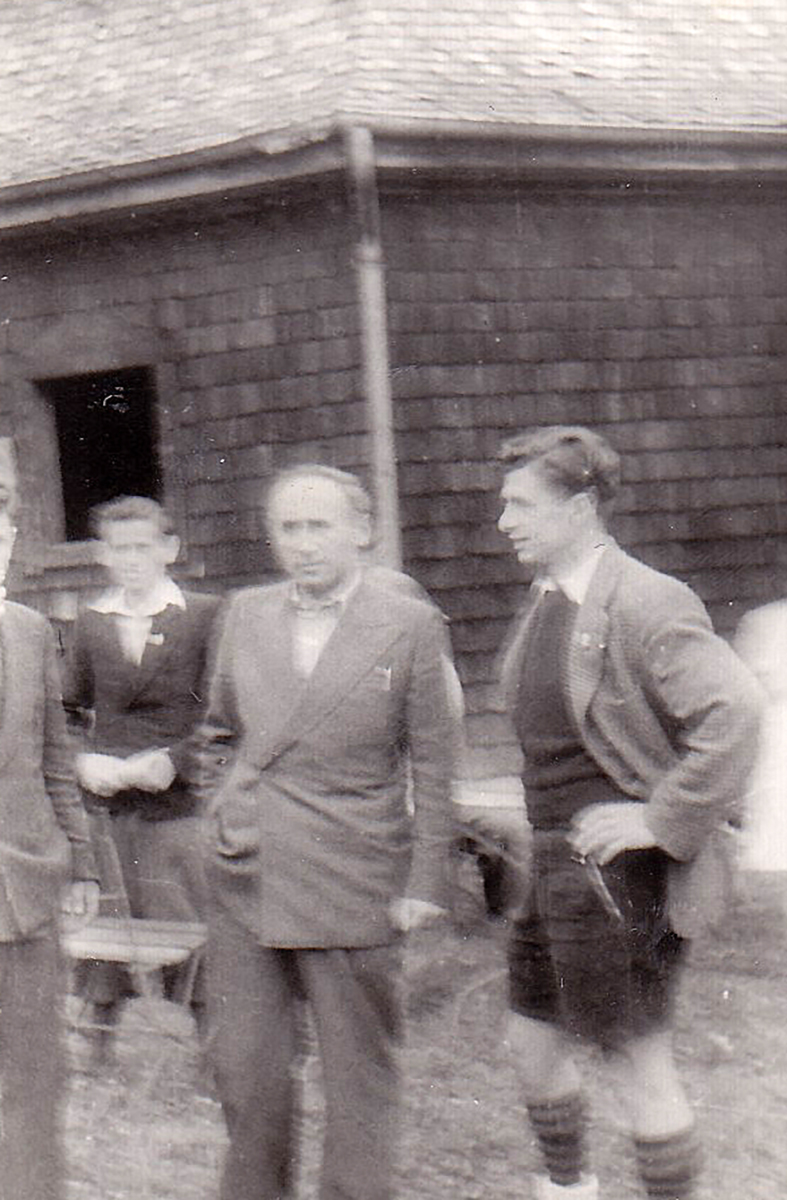
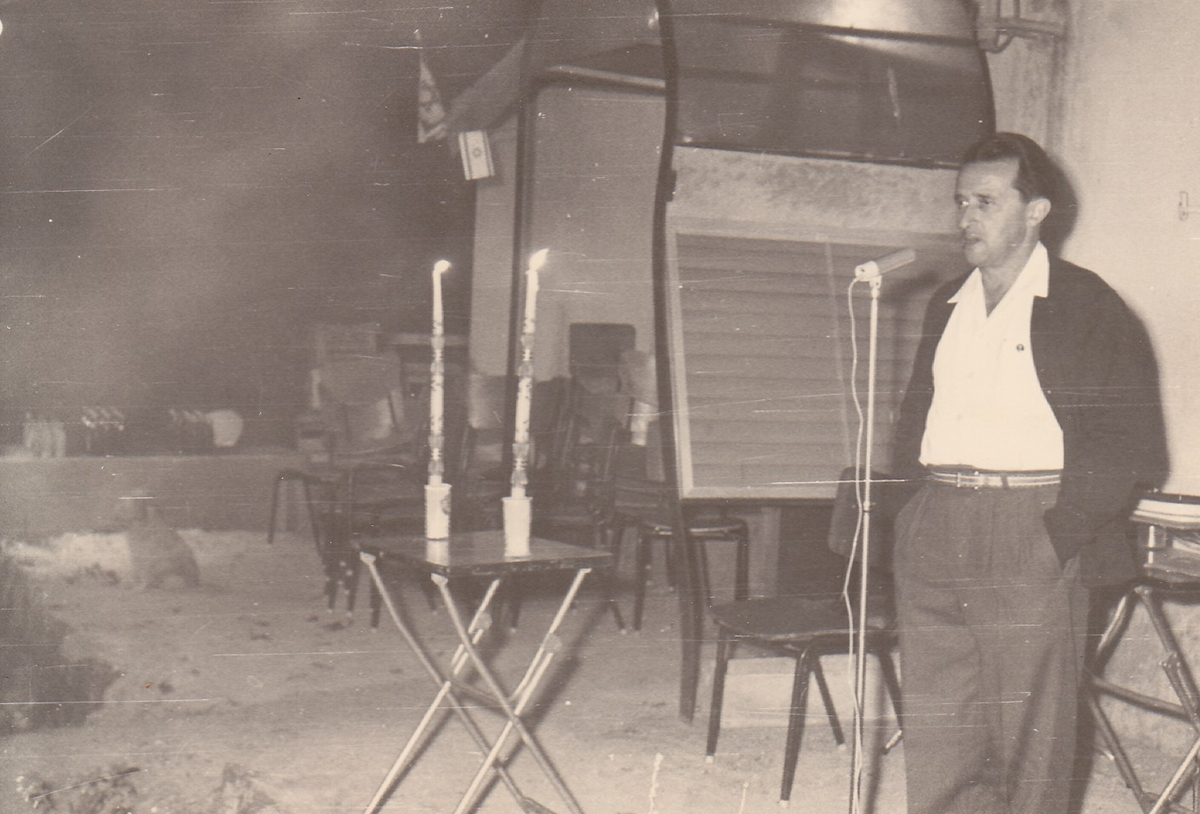
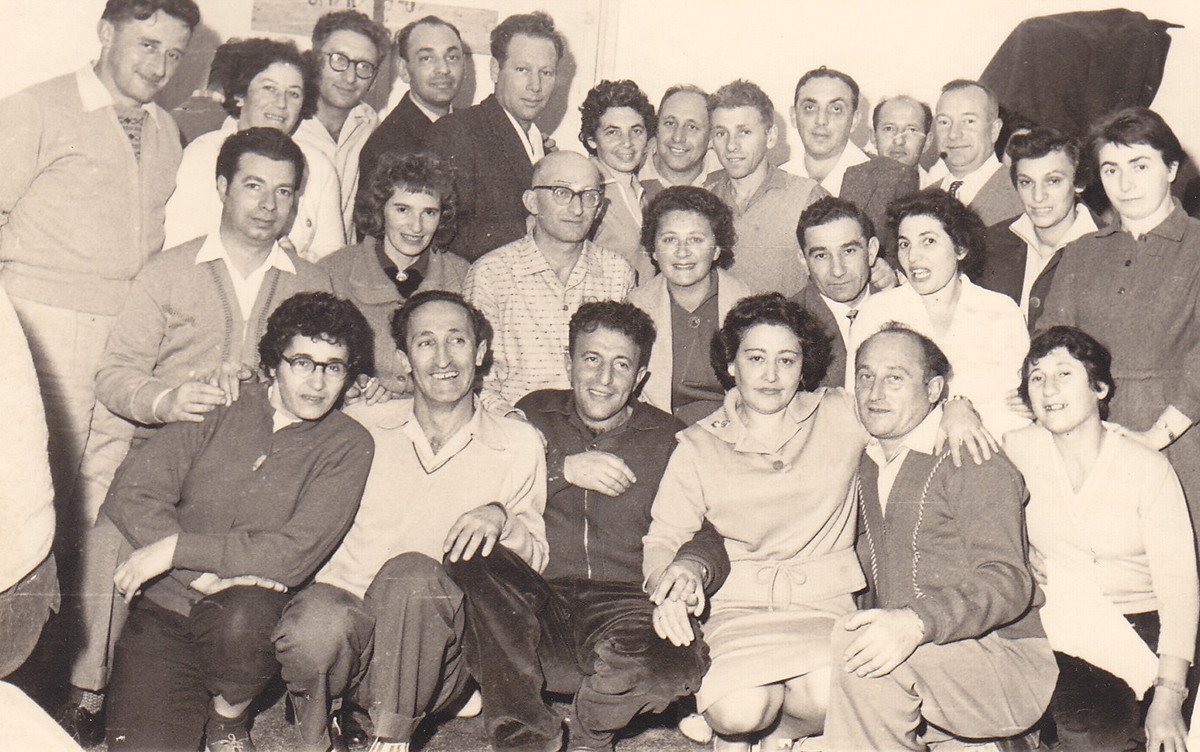
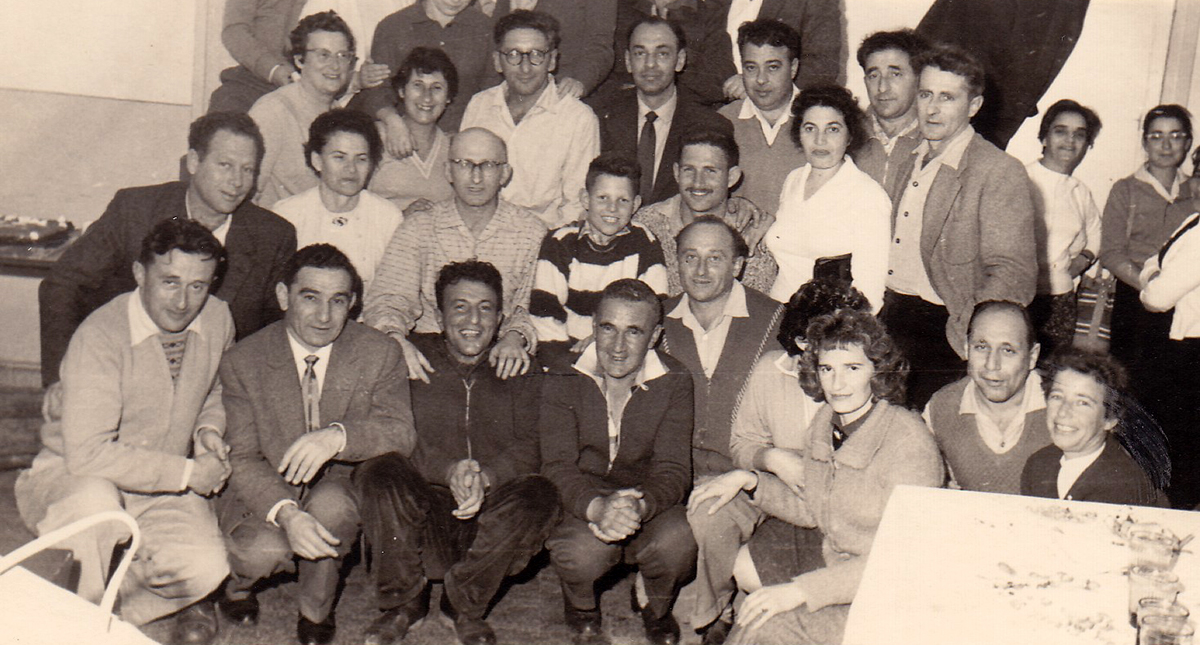
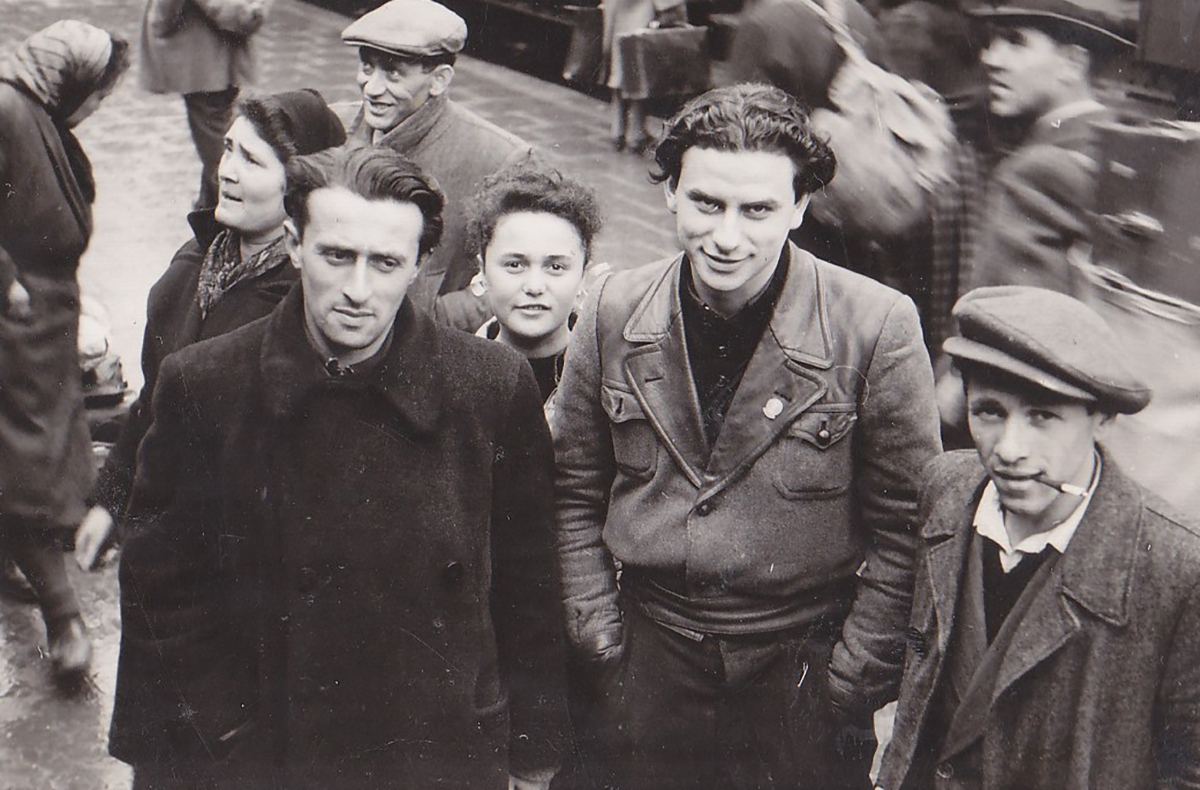
Photographs of Michael Bahat (Bachmat) and Ester Bahat, nee Gamsa, 1946-1948
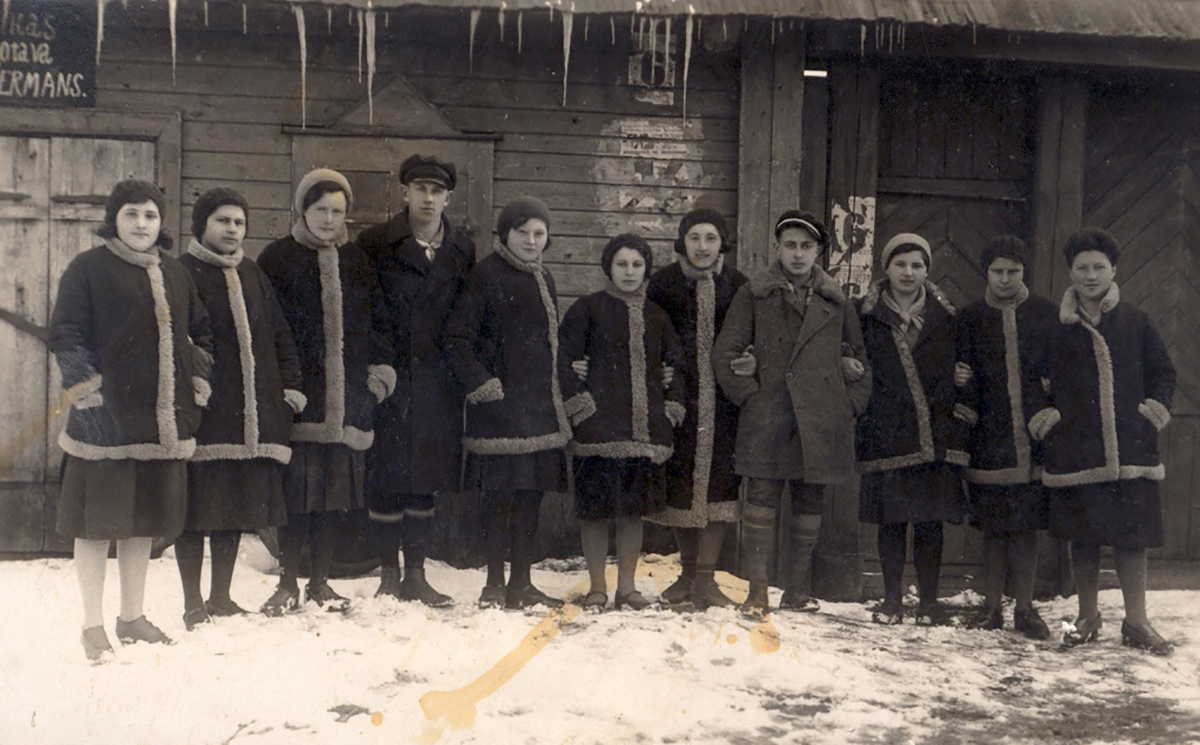
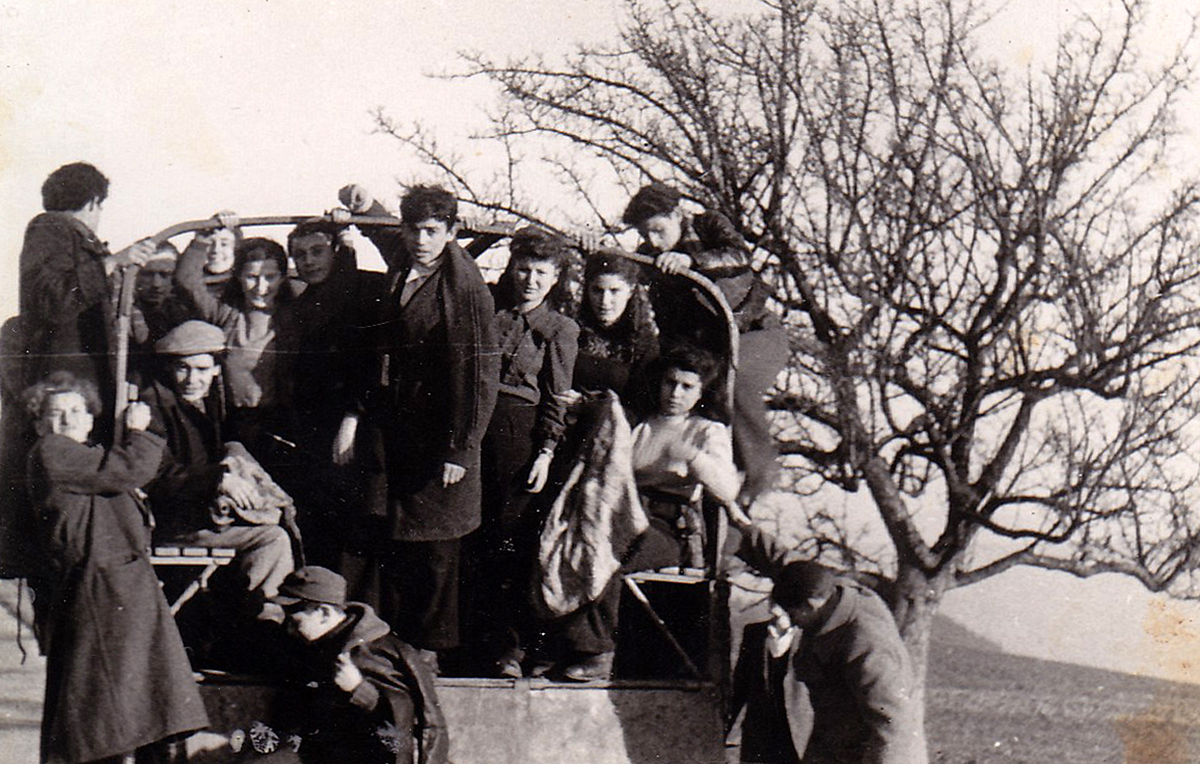
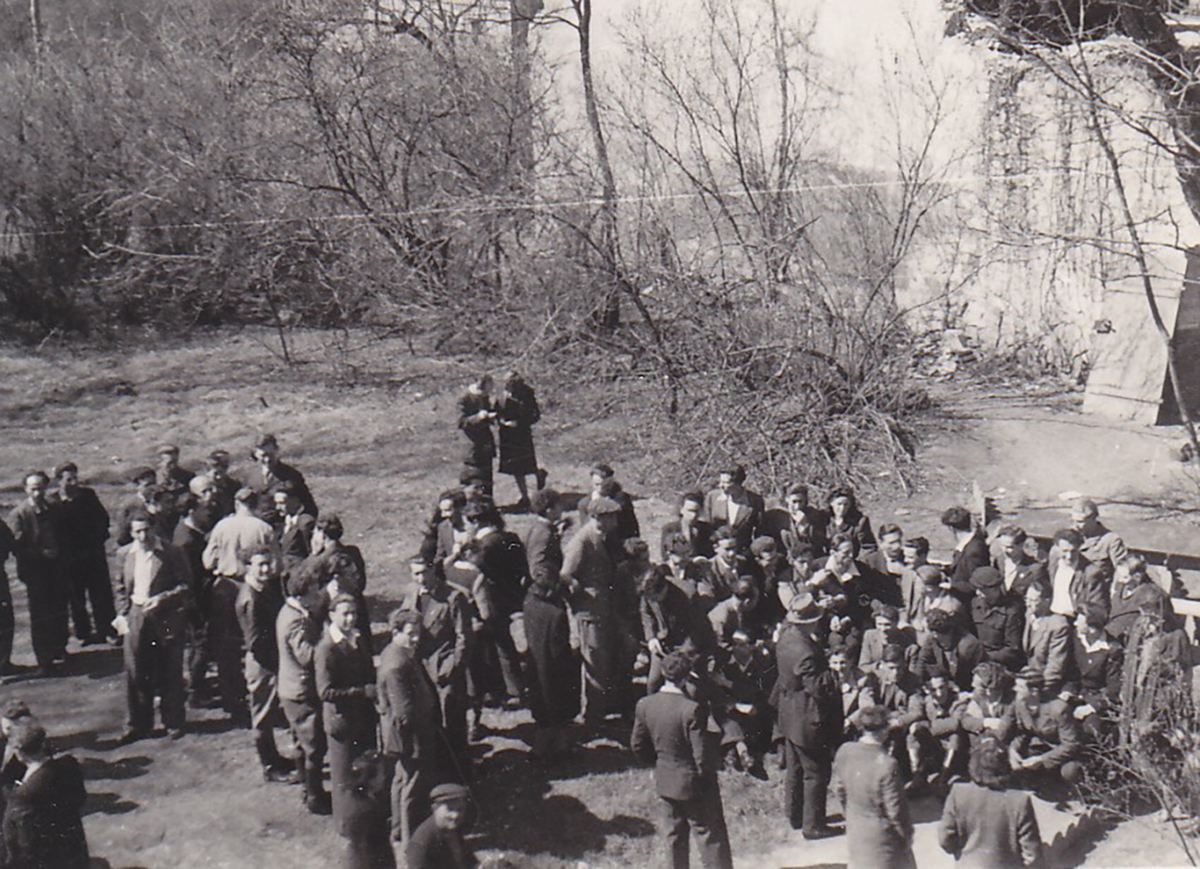
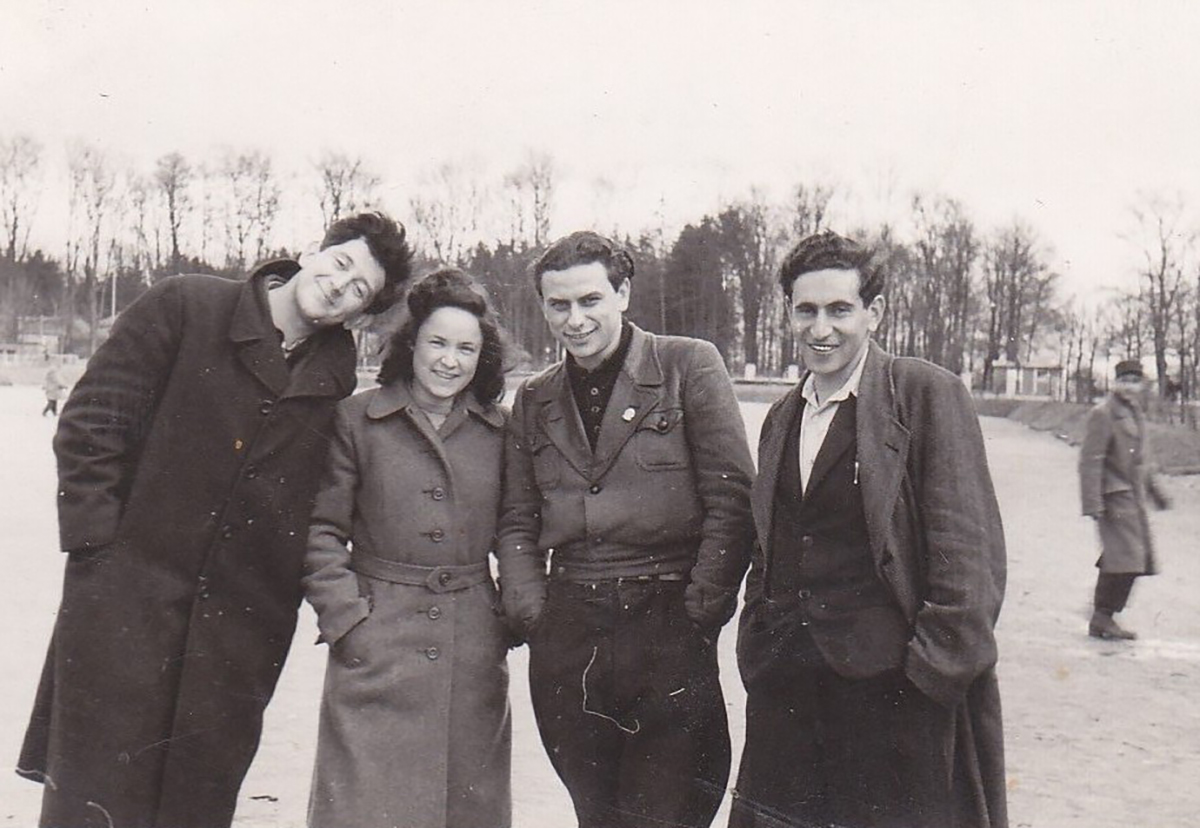
Ester Bahat stayed in January 1947 in the Maternity Ward of St. Ottilien where she gave birth to her first born son Acharon (Arik) Bahat. Michael Bahat and his wife lived in Munich from 1947 to 1948 close to the headquarter of the Jewish Agency. They worked there as pioneers in the Nocham Zionist youth movement which founded Kibbuzim settlements in Israel. After the emigration to Israel in 1948, Michael Bahat became a renowned educator and a driving force of Jewish-Zionist education, see MichaelBahat_biography. The following photographs give impressions of the training of youngsters who stayed in dispersed Kibbuzim in Germany where they prepared for the emigration to Palestine/Israel. Some photographs go back to the 1930ies. © Information and photographs kindly provided by Arik Bahat, Hod Hasharon.
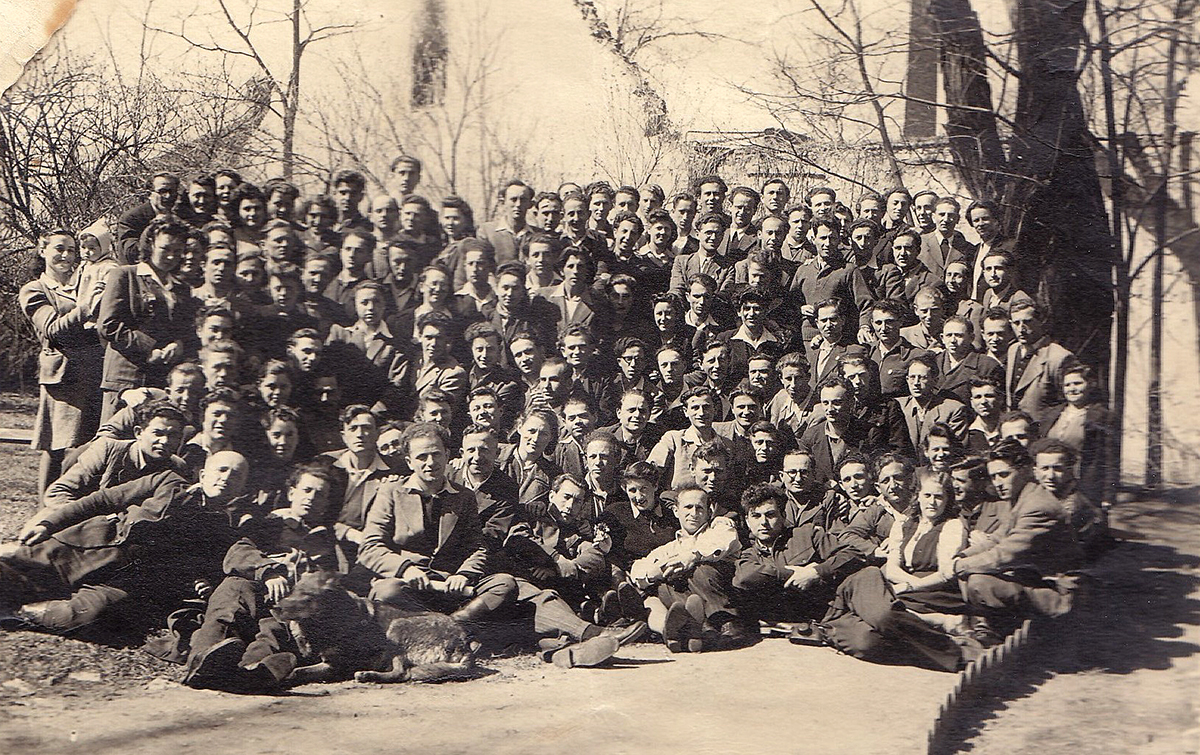
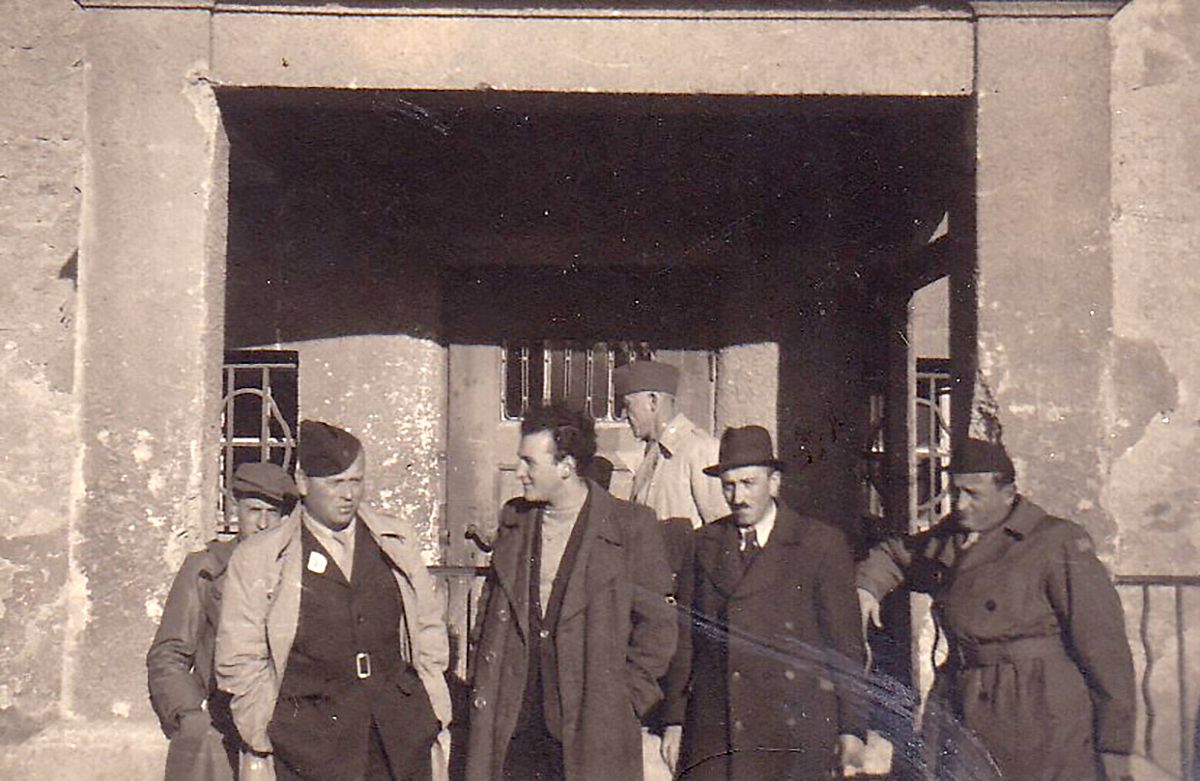
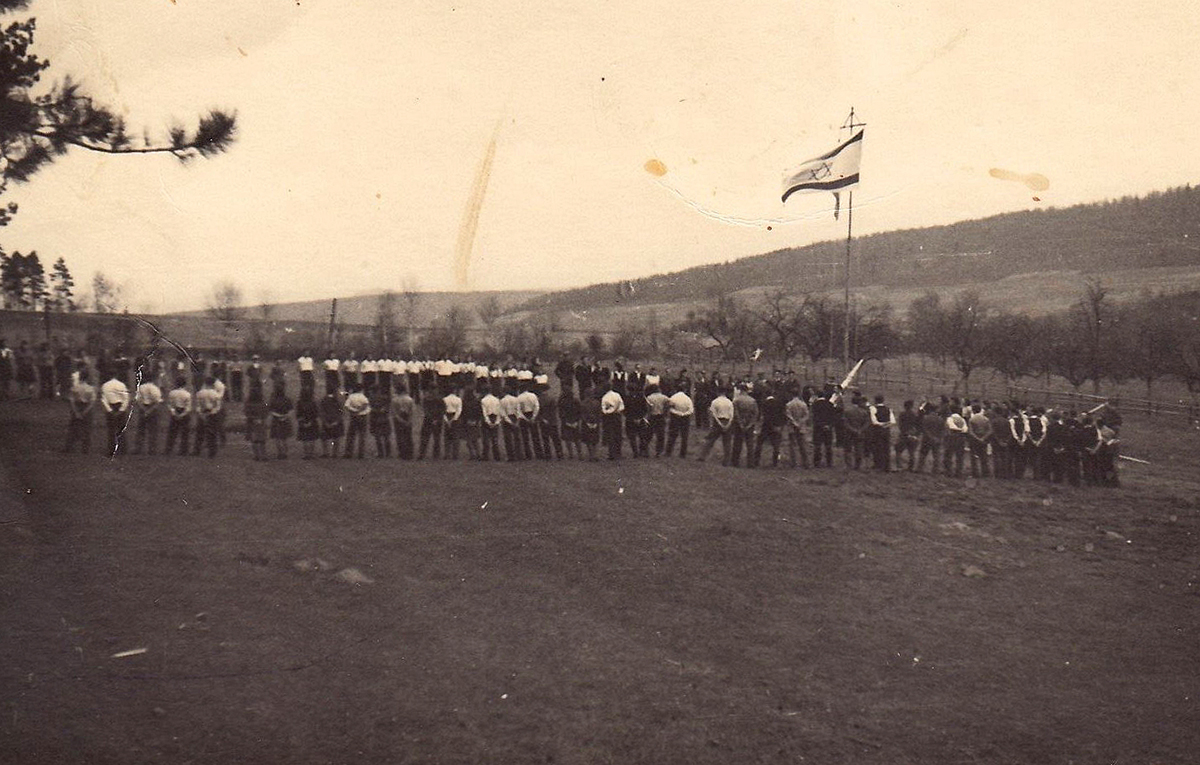

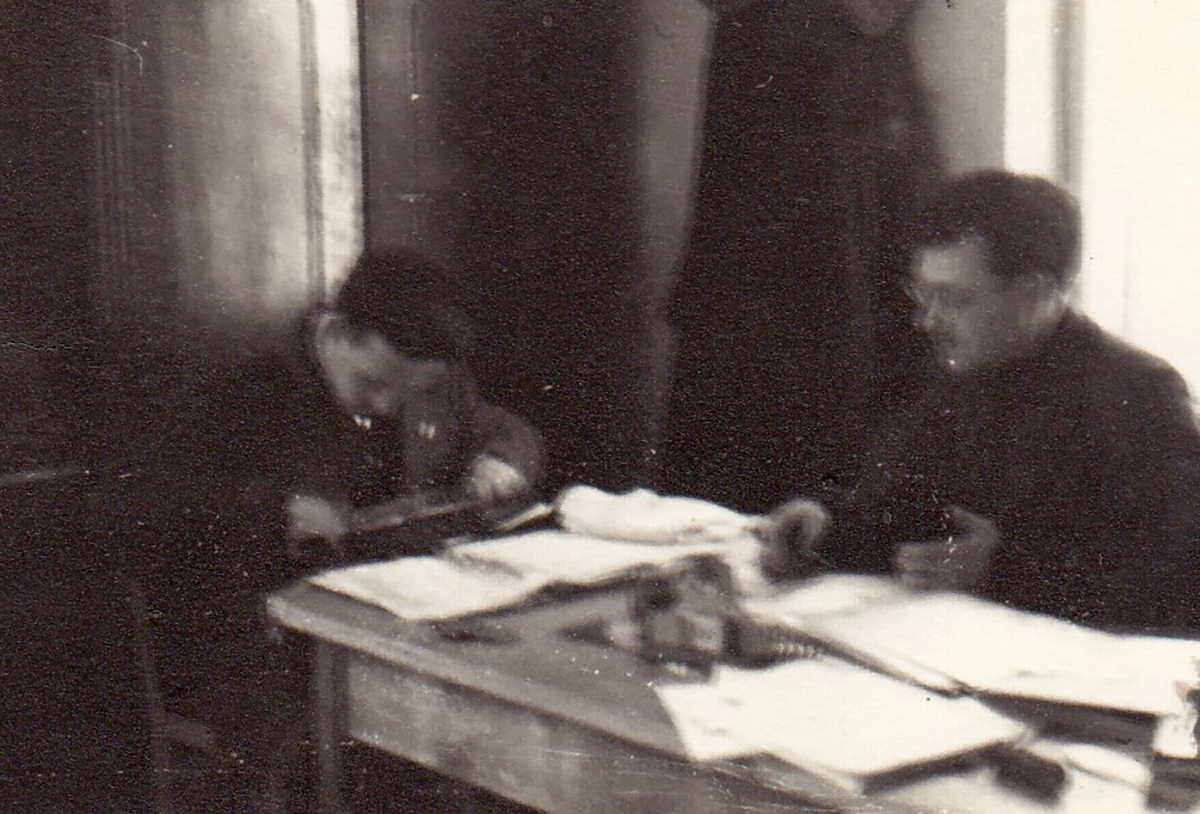

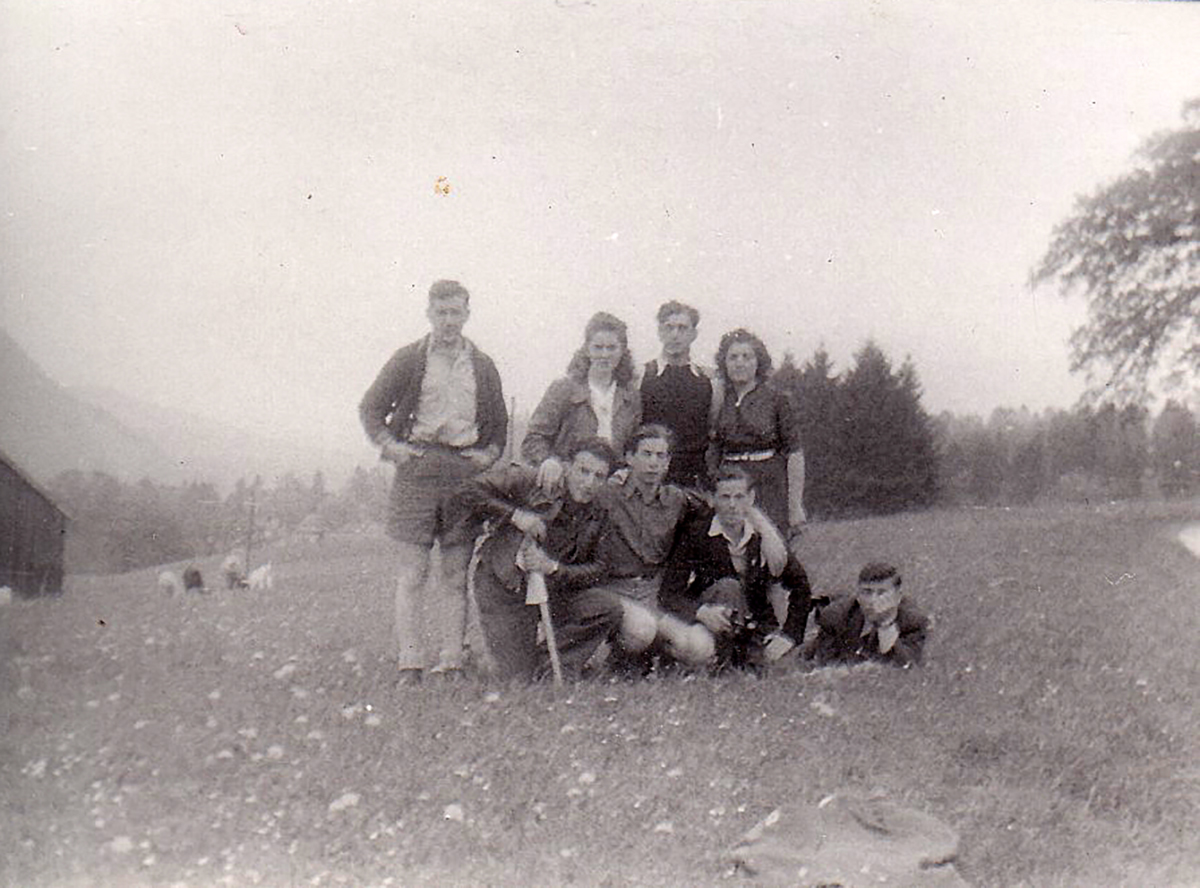

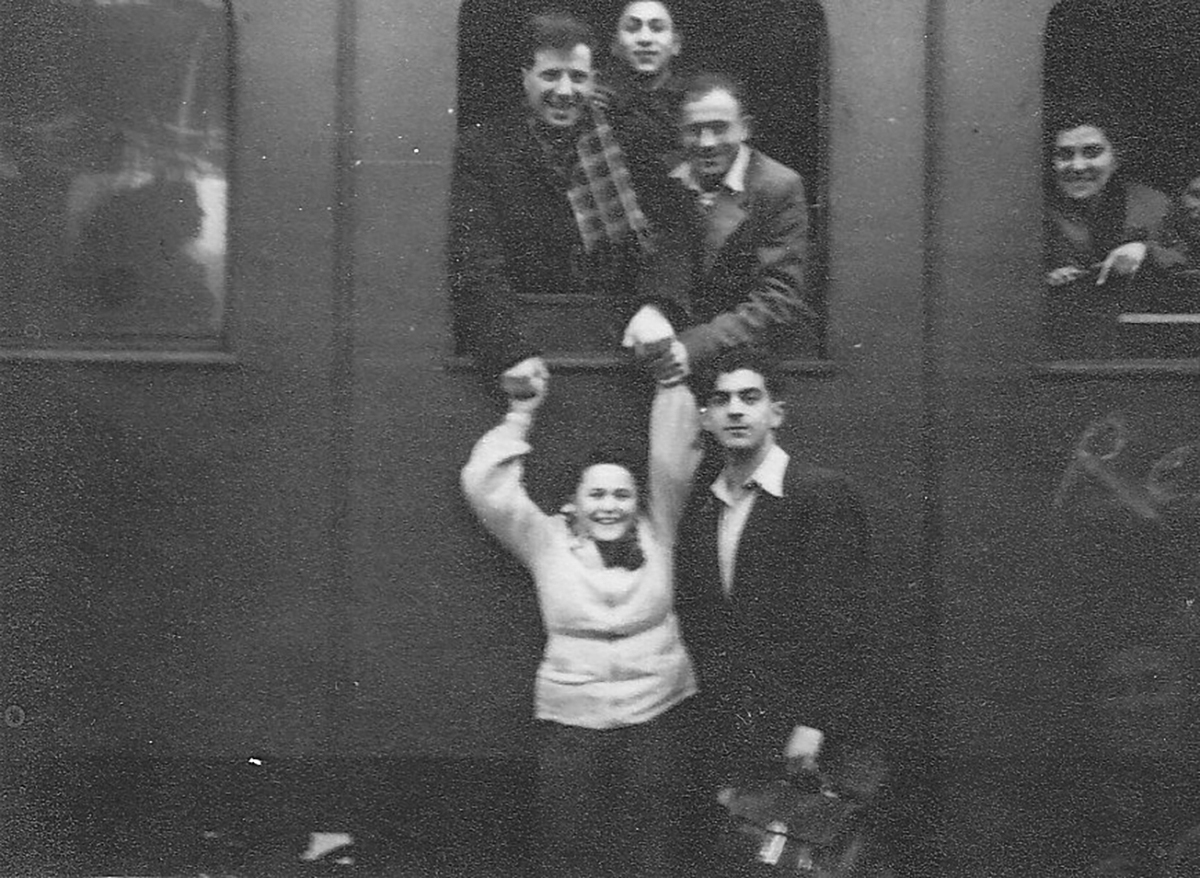
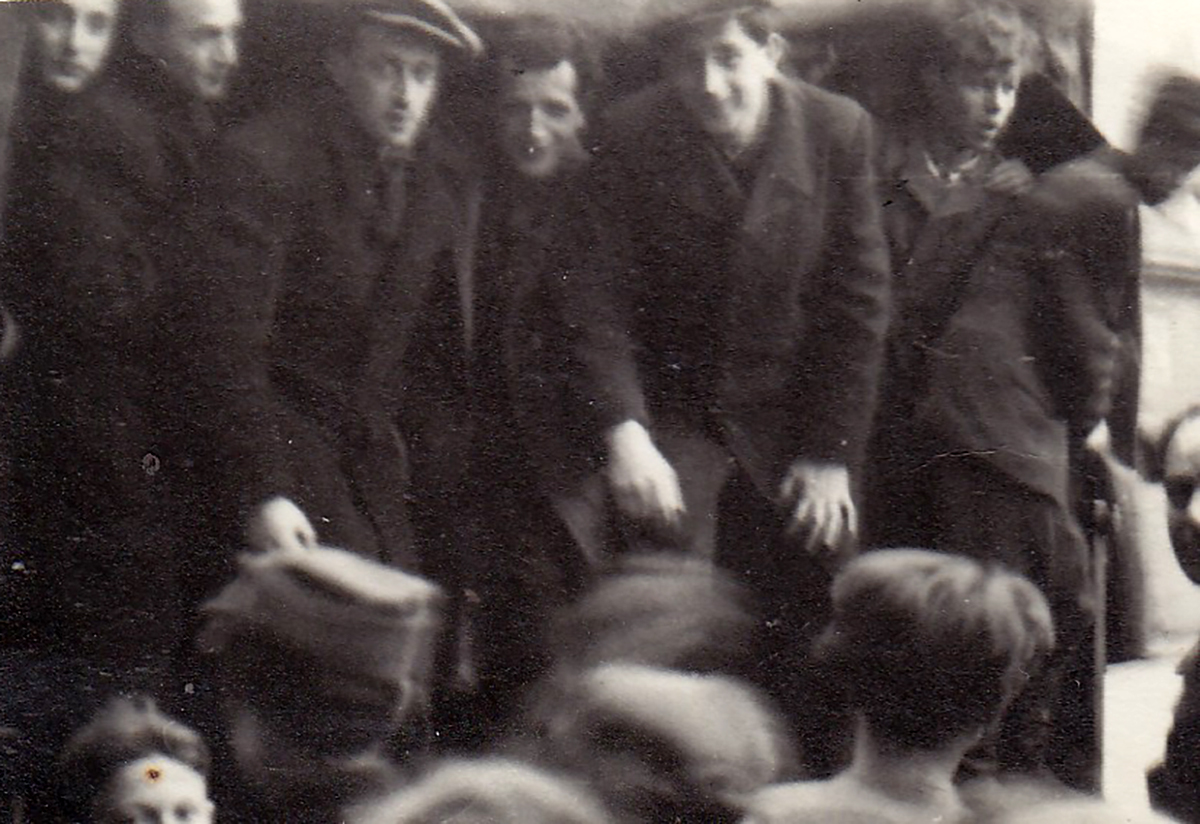
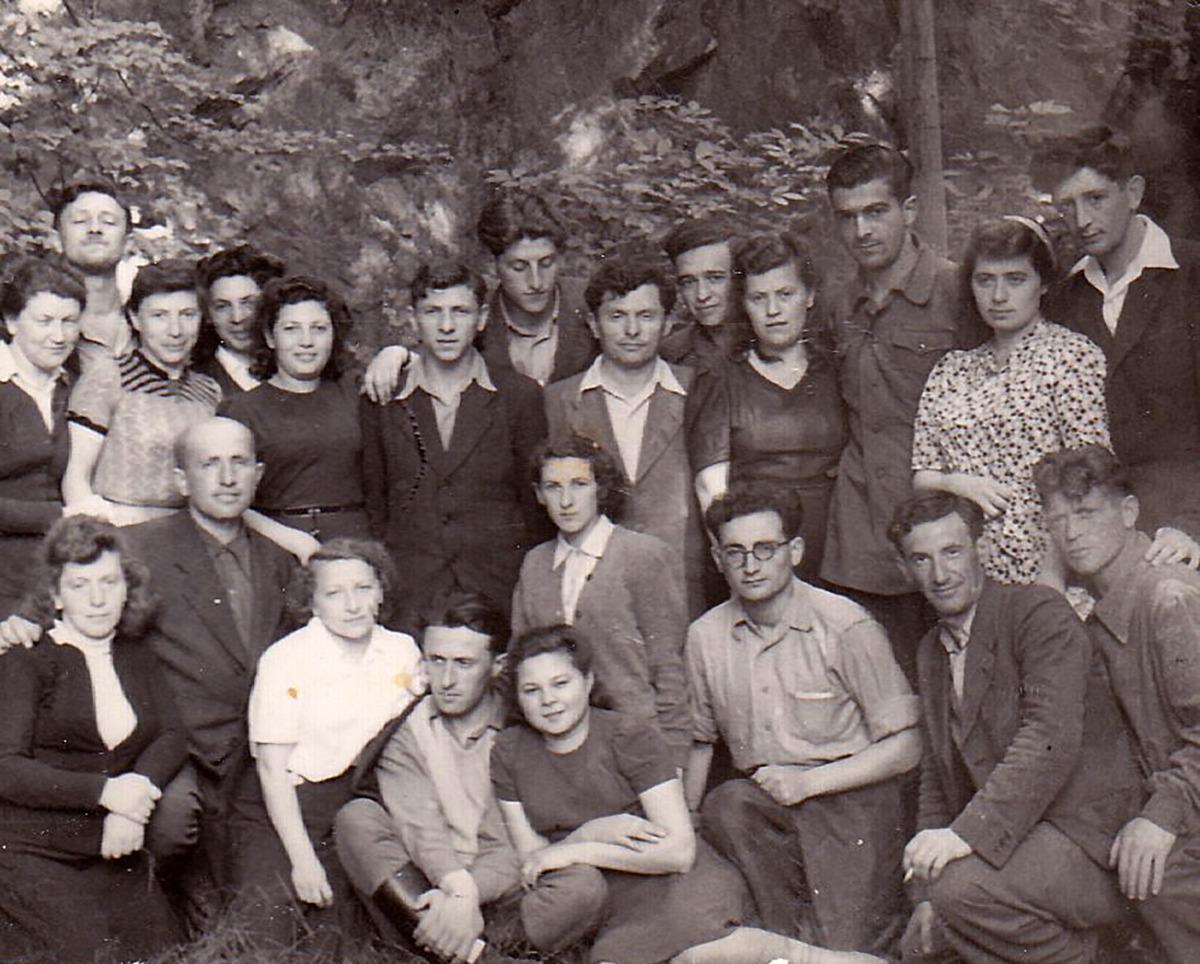
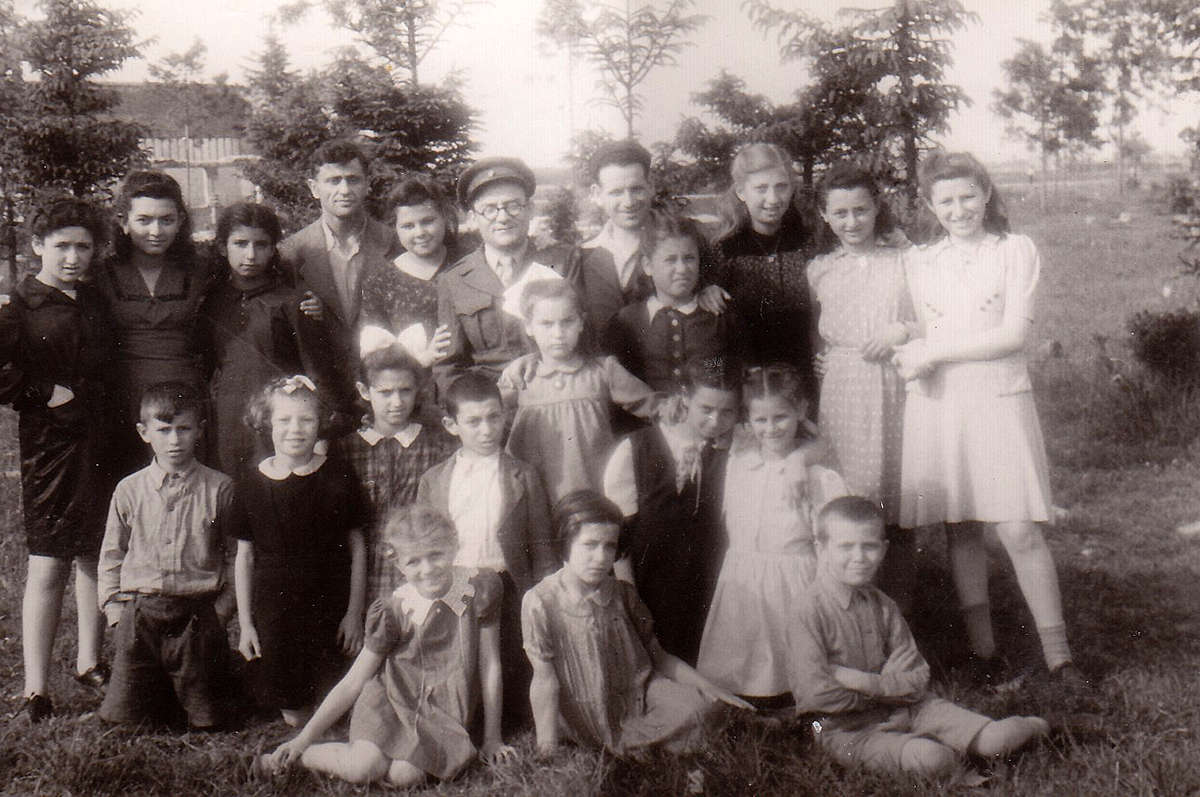
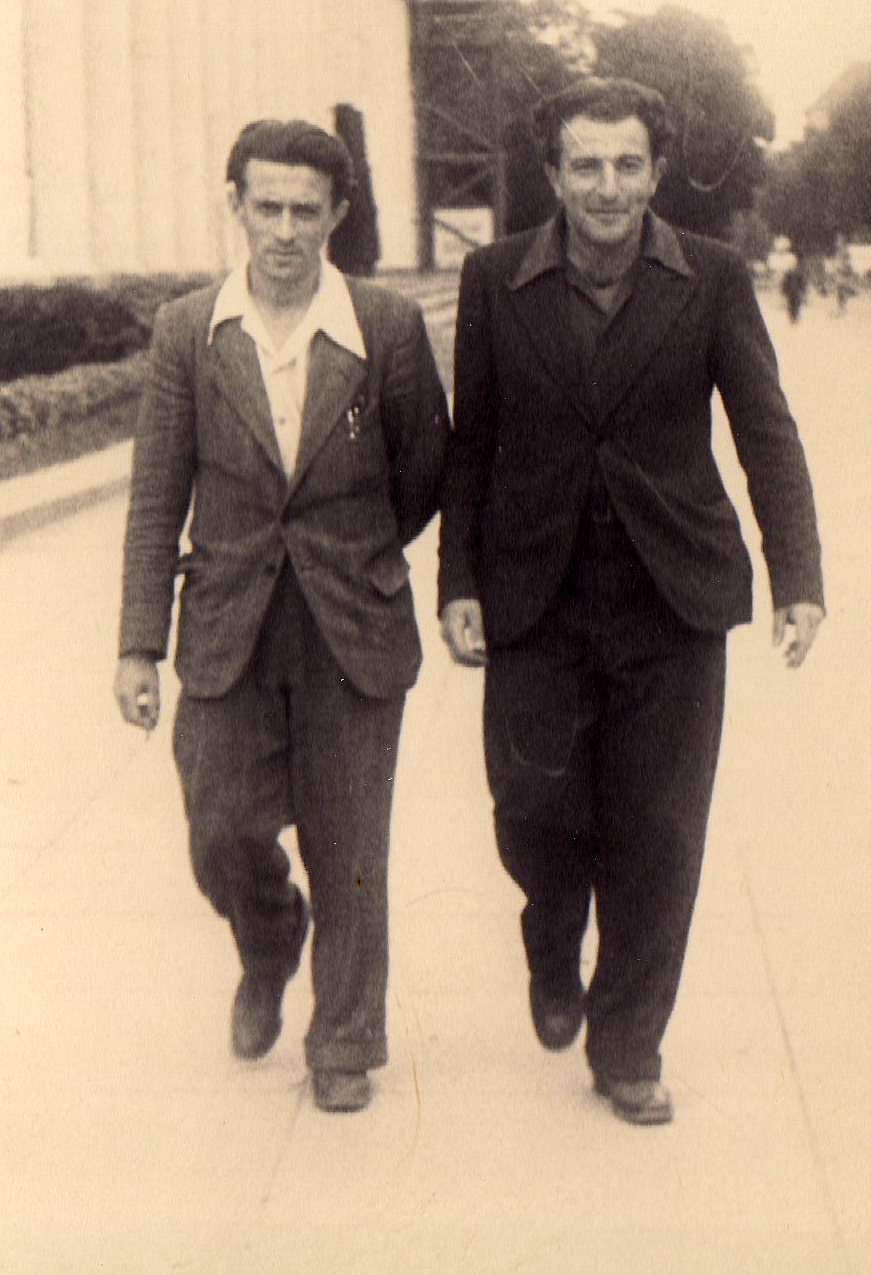
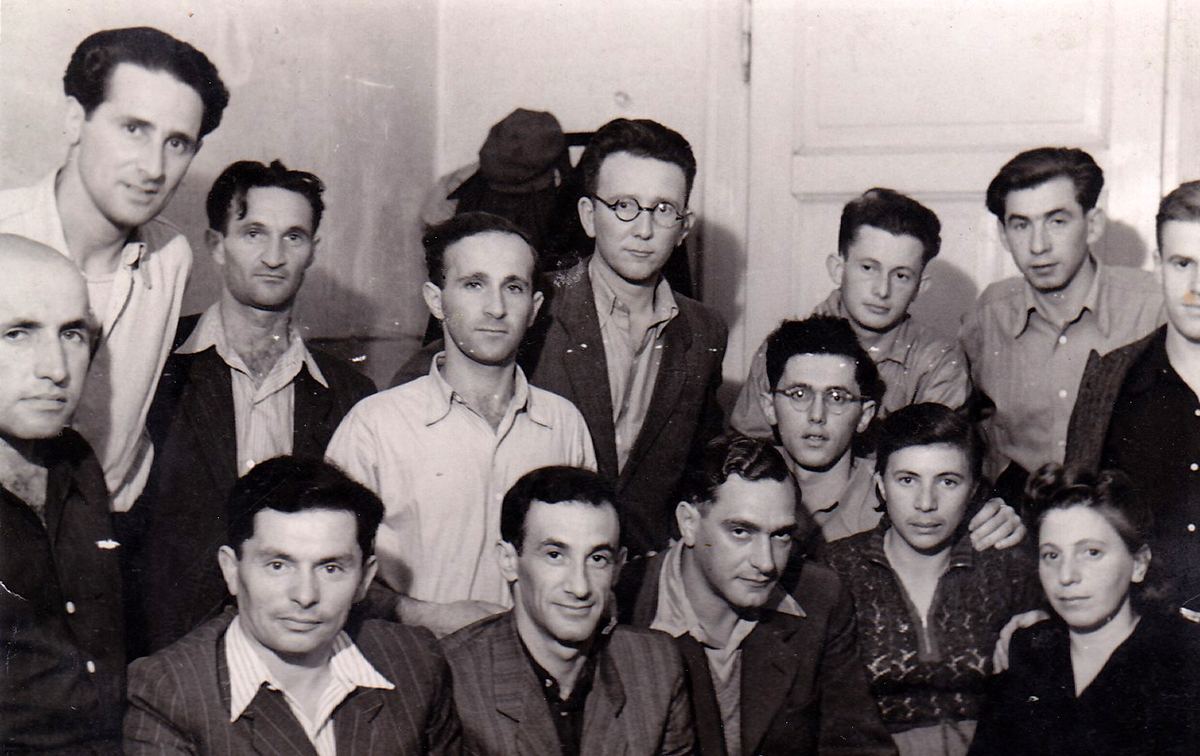
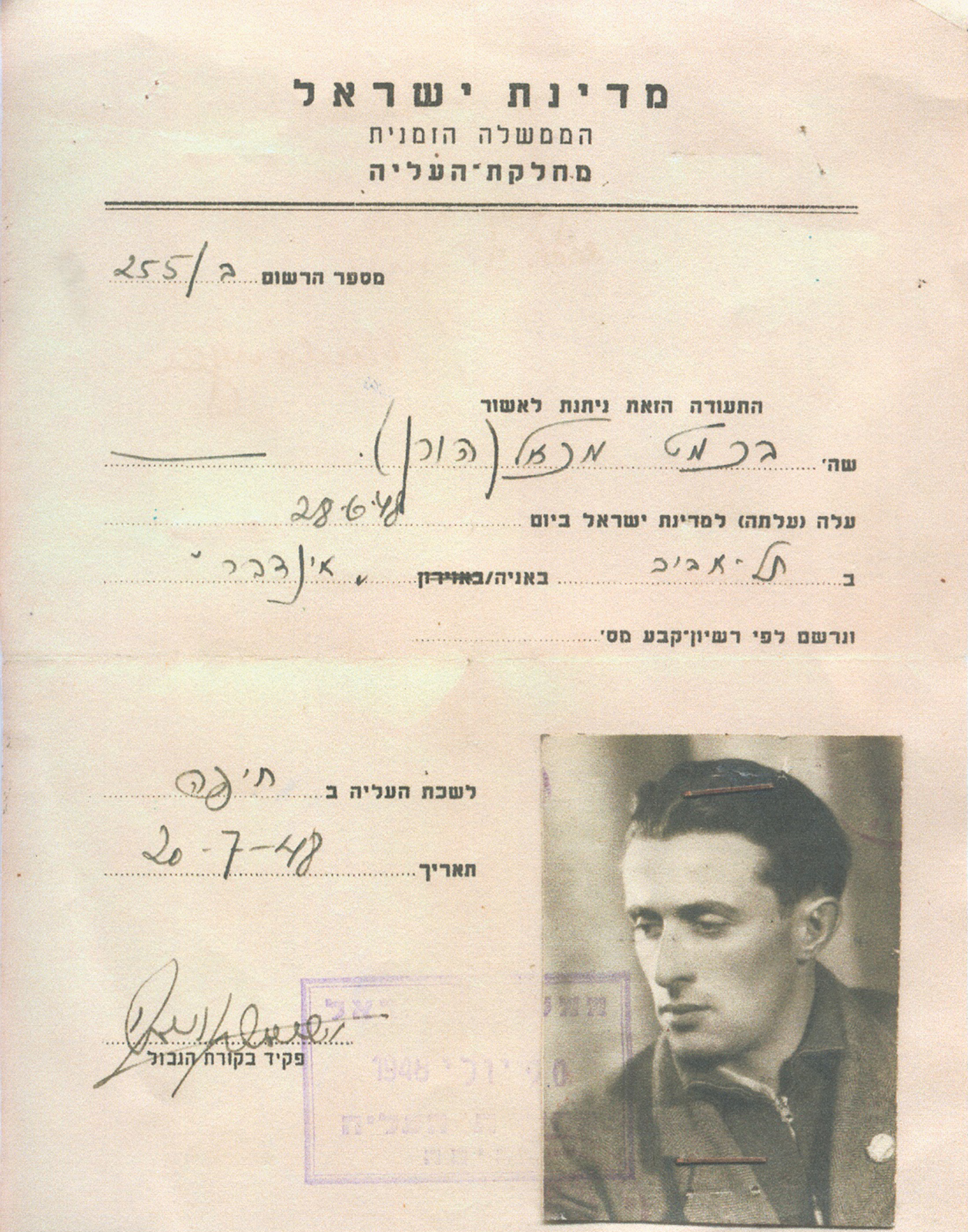
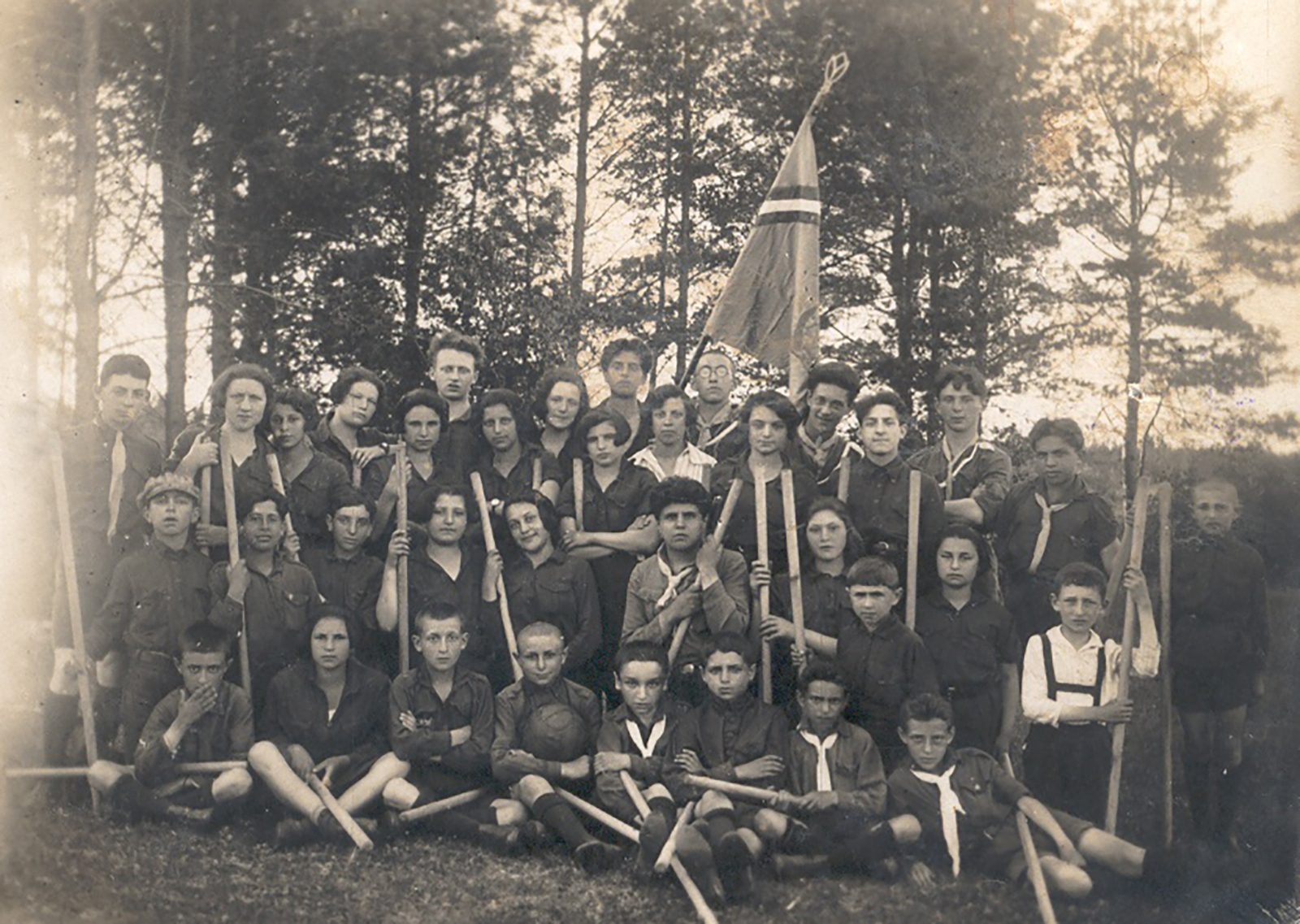
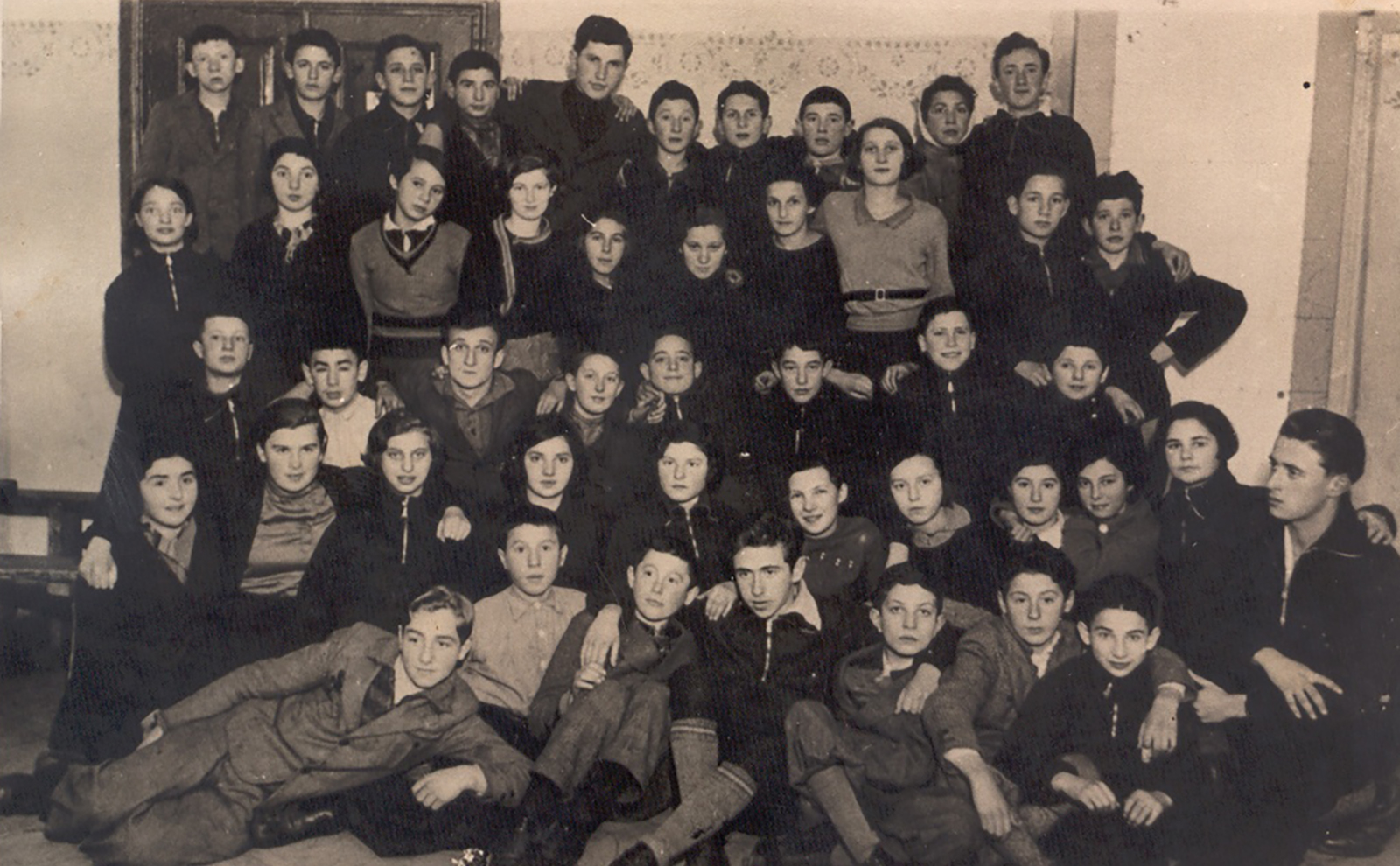
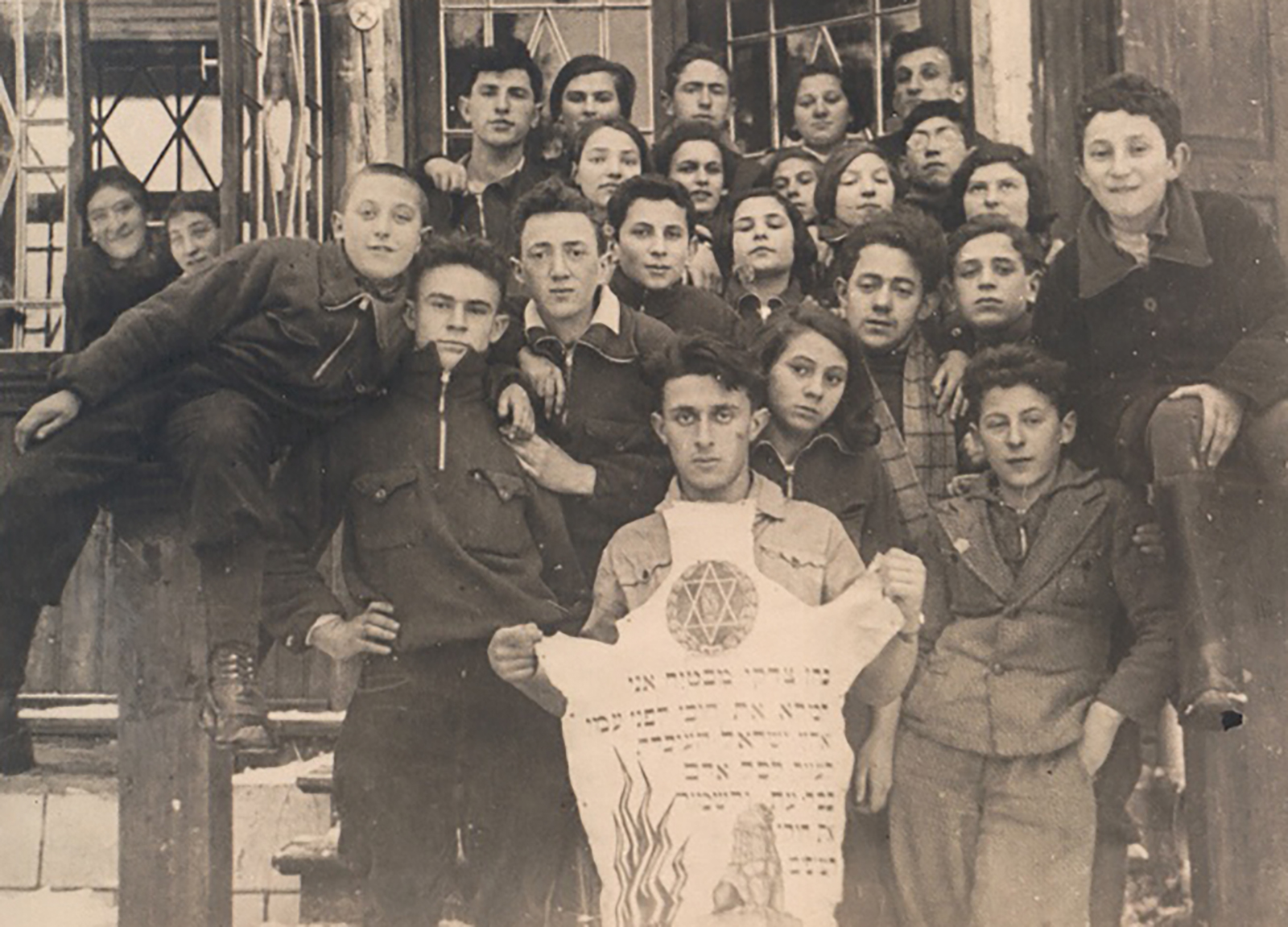
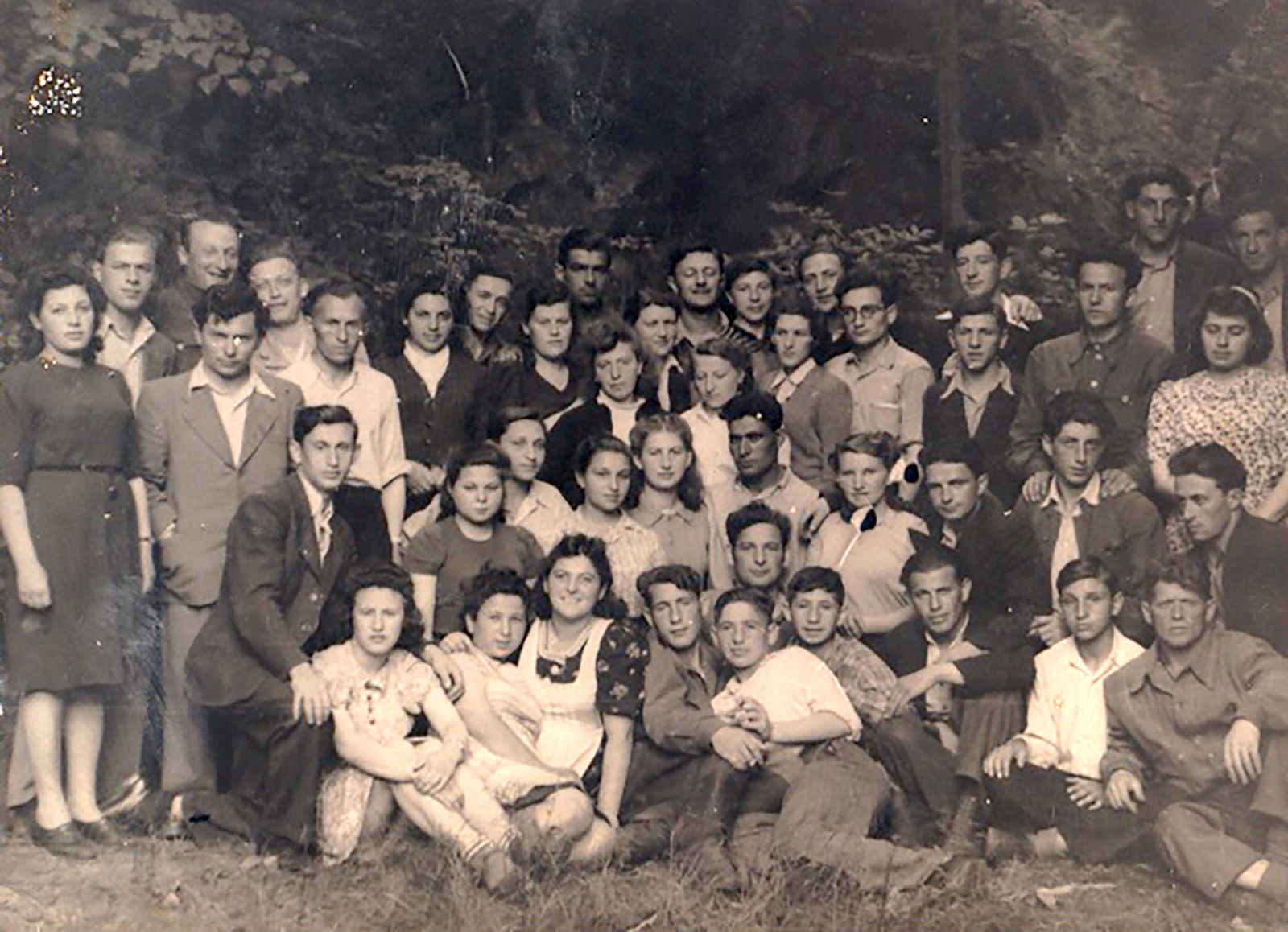
Photographs of Matthew Burger who lived in St. Ottilien from 1946-48
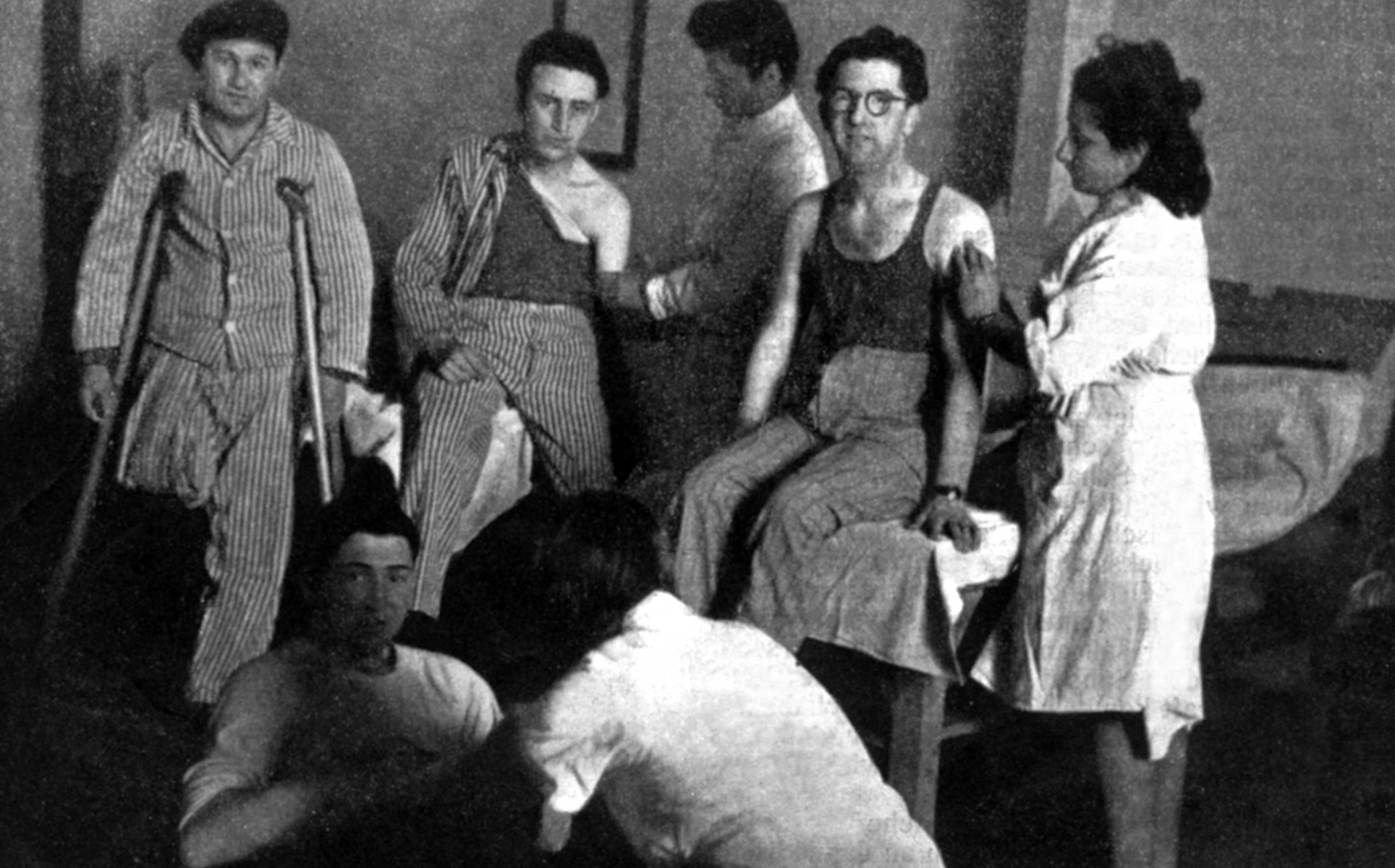
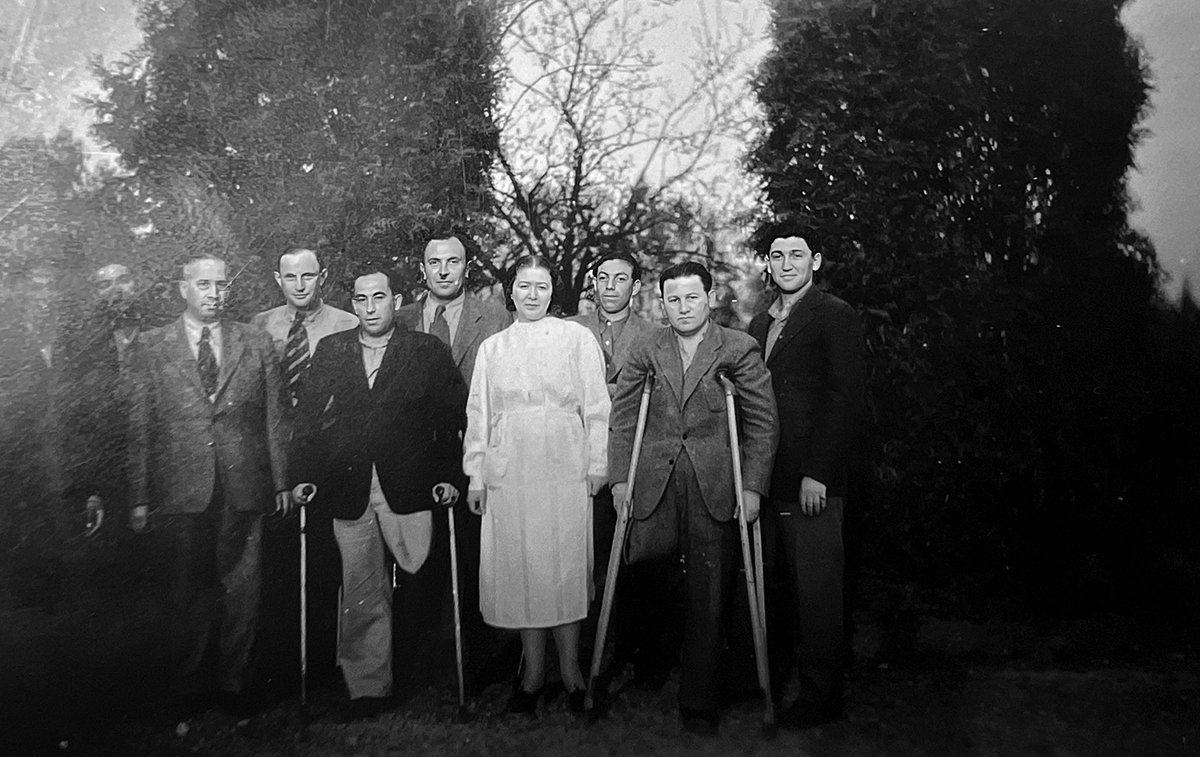
Mates (Matthew) Burger, born August 6, 1923, was at St. Ottilien after a traumatic amputation of his left arm from May 1946 until the dissolution of the hospital in May 5, 1948. He can be seen on a photo of the Jewish Review from May/June 1946. On another photo a nurse can be seen who was very supportive when he was so depressed after the loss of his arm. He had survived the war and the death of his parents and then was devastated by this ironic twist of fate. He also mentioned the surgeon who took great care of him. He met another survivor, Chana Zylbercwajg, at St. Ottilien who become my mother. I was born at Lagerlechfeld in August, 1948. The last person on the right in the group photo (my father not included) might have been a friend of my father’s with the last name of Kurland (Max Burger).
Record of a visit in St. Ottilien by Max Burger in May 2024: Max Burger – A Visit to St. Ottilien
Photographs by courtesy of © Max Burger, New Jersey
David’s story
David Avnir-Steingarten was born in St. Ottilien on June 12, 1947. The family came from Poland and fled after the German invasion to the Russian Zone. After the War, the parents met in Poland where they were part of the Habricha movement which organized the emigration from East European Jews to Palestine through Bavaria. During their time in Munich, their first son, David Avnir, is born in the St. Ottilien Hospital. Report of the family history: Avnir’s story
Moses Groeneman (1905-1977)
My father was in the Kaufering concentration camp, part of Dachau, since July 1944 after his arrest in Lithuania in August 1941. After liberation of the Dachau concentration camp (April/May, 1945), he was transferred to the DP hospital at Sankt Ottilien, where he resided for approximately two years. He is mentioned as resident of the Hospital in Sharit-Haplatah, June 1945. His post-war story involves an extraordinary coincidence. Before the camp was liberated, he was instructed by one of the other inmates (Mischa Aharoni/Moshe Aronowich, who died just weeks before liberation) to contact his brother, Kalman Aharoni in Toledo, Ohio in the U.S., if he ever got out of Kaufering. He was urged to memorize this name and place. When the American army troops liberated the camp (Spring of 1945), one of soldiers, Harry Manson, happened to hear my father repeatedly saying “Kalman Aharoni in Toledo, Ohio.” As it turned out, not only was Mr. Manson from Toledo but he also knew Kalman Aharoni because they were neighbors in Toledo. My father eventually made it to Toledo Ohio, thanks in large part to Mr. Kalman Aharoni, a distant relative, who became his sponsor. But this did not occur until the summer of 1947. In the two years between the time the camp was liberated and he came to the United States, I assume he spent all or most of that time at St. Ottilien. After leaving St. Ottilien, my father came to the U.S. (Toledo, Ohio) in 1947. His American name was revised to become Morris Groeneman. He resumed his work as a master tailor until his death in 1977.
Sid Groeneman, Rockville, Maryland, USA
Photograph by courtesy of © Sid Groeneman, Maryland